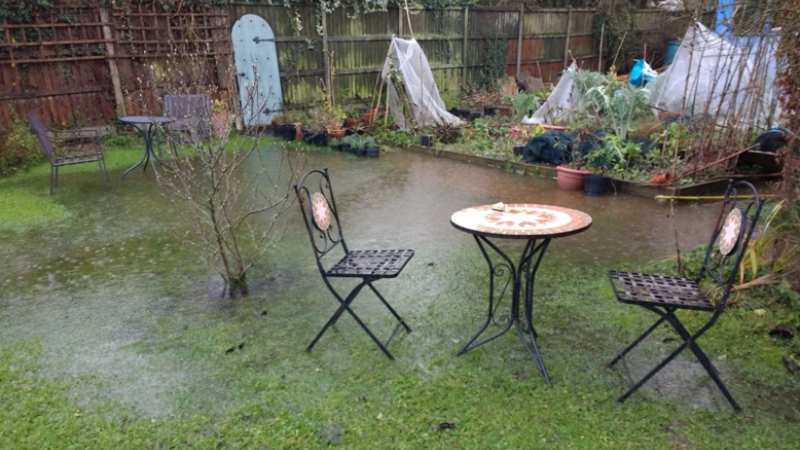
Backyard water pooling is a common issue many homeowners face, especially after heavy rainfall. This seemingly minor inconvenience can lead to significant problems if left unaddressed. Stagnant water not only creates a breeding ground for mosquitoes but can also lead to soil erosion, plant damage, and even structural issues in extreme cases. Addressing the root causes of water pooling is crucial, as it ensures the longevity of your backyard landscape and enhances both its functionality and visual appeal. Identifying and fixing these issues can go a long way in enhancing the usability and aesthetics of your outdoor space.
1. Poor Soil Drainage
One of the leading causes of water pooling is poor soil drainage, often due to compacted or clay-heavy soil. Such soils have low permeability, making it difficult for water to seep through, resulting in surface pooling. Soil composition plays a pivotal role in drainage efficiency, and compacted or dense soil types typically restrict water movement.
To determine if poor soil drainage is the culprit, observe how quickly water dissipates post-rainfall. Soil testing can also shed light on specific issues, pinpointing high clay content or compaction. Improvements can be made by amending the soil with organic matter like compost, which increases porosity and drainage capability. Additionally, soil aeration, involving the perforation of soil at intervals to allow air and water flow, can significantly enhance drainage.
2. Improper Grading and Slope
Grading and slope are crucial elements in landscape design that dictate the direction water flows. Improper grading often leads to accumulation in undesirable areas, particularly flat zones or low spots with no natural outlets.
Signs of improper grading include persistent water stasis, moist ground without apparent rainfall, or visible slope toward the property. Incorrect slope direction, funnelling water towards structures or flat zones, exacerbates pooling issues. For effective correction, re-sloping the land to direct water away from critical areas is essential. Techniques like terracing can also be employed to manage slopes on hilly terrains, ensuring gradual descent and preventing rapid water runoff.
3. Obstructed or Insufficient Drainage Systems
Often overlooked, drainage systems play a vital role in managing water flow. Blockages or subpar installations can hinder water drainage, leading to unwanted accumulation. It’s important to inspect drainage pipes and outlets regularly for clogs or damage that might restrict effective water passage.
Routine maintenance can avert major blockages and ensure drainage systems operate efficiently. Removing debris from entry points, flushing out obstructions, or replacing faulty sections are practical steps to maintain these systems. Should shortcomings in the existing setup be identified, upgrading to more efficient systems—such as installing French drains or channel drains—can greatly enhance water flow management.
4. Overflow from Gutters and Downspouts
Gutters and downspouts play a critical role in diverting rainwater away from rooftops and ultimately away from your backyard. Overflows or blockages within these systems can lead to water pooling near the foundation and throughout the yard. Indicators of gutter issues include visible overflow during rain, water stains on siding, or erosion marks underneath downspouts.
Regular cleaning and maintenance are key to ensuring gutters and downspouts function optimally, including clearing debris and ensuring secure connections. Additionally, modifications like extending downspouts or installing catch basins can redirect water further from the property, minimising backyard pooling.
5. Irrigation System Malfunctions
An often overlooked contributor to backyard pooling is malfunctioning irrigation systems. Leaky pipes, misdirected sprinklers, or timers set incorrectly can result in excess water accumulation. Common irrigation issues include waterlogged patches, inconsistent plant growth, or visibly damaged components.
Routine inspection and maintenance help identify leaks or faulty settings. Adjusting sprinkler heads to ensure they target designated areas reduces overwatering. For more efficient water usage, consider investing in smart irrigation systems that automatically adjust water delivery based on weather conditions and soil moisture levels.
Conclusion
Tackling backyard water pooling issues is pivotal for maintaining a healthy and aesthetic landscape. Implementing solutions like improving soil drainage, addressing grading concerns, maintaining drainage systems, and ensuring optimal gutter and irrigation functionality can dramatically enhance your outdoor environment. Homeowners should proactively address these concerns, seeking professional guidance if necessary, to safeguard property value and personal enjoyment. Taking decisive action now not only prevents future complications but also transforms your backyard into a more inviting and functional space. Don’t wait for the next downpour; start making improvements today, and for those curious about something else, there’s always handy advice on how to unblock your outside drain.