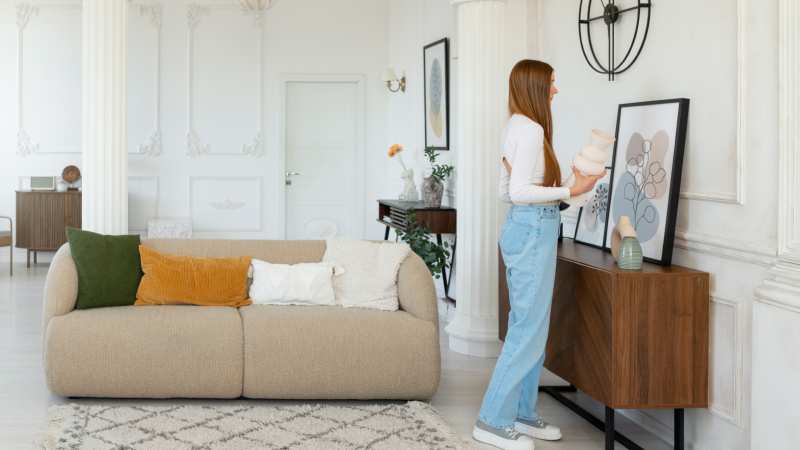
Every homeowner dreams of having a home that feels open, airy, and inviting. However, tight spaces, clutter, and poor design choices can make even a large home feel cramped. The good news is that with a few strategic changes, you can transform your home to feel much more spacious without knocking down walls. From clever furniture placement to thoughtful décor choices, creating the illusion of space is easier than you might think.
1. Embrace Natural Light
Natural light is one of the most effective tools for making a home feel larger. Sunlight opens up rooms and creates a sense of airiness. If your windows are small or blocked by heavy drapes, consider replacing them with larger windows or installing lighter, sheer curtains. Even a simple change like pulling back drapes during the day can flood your space with light, instantly making it feel more expansive. Homeowners in Utah, for instance, can explore local options for window installation to enhance natural light throughout their homes.
2. Keep Colors Light and Neutral
Color plays a huge role in how spacious a room feels. Light, neutral tones such as whites, creams, soft grays, and pastels reflect light better and make rooms feel more open. While bold, dark colors can create a cozy atmosphere, they tend to absorb light, which can make a room feel smaller. Painting walls, ceilings, and even large furniture pieces in lighter shades can visually expand your space and create a cohesive, airy feel.
3. Use Mirrors Strategically
Mirrors are a classic trick for making a room appear bigger. By reflecting light and giving the illusion of depth, mirrors can double the perceived space in a room. Consider placing a large mirror opposite a window to maximize sunlight, or use mirrored furniture pieces to enhance openness. Even smaller mirrors arranged in a gallery-style display can add dimension without overwhelming your space.
4. Opt for Multi-Functional Furniture
Clutter is one of the main reasons spaces feel cramped. One way to combat this is by using furniture that serves multiple purposes. For instance, a coffee table with storage underneath, a bed with drawers, or an expandable dining table can help you keep items out of sight while still being functional. By reducing the number of pieces in a room, you create more visual space, making the home feel larger than it actually is.
5. Maximize Vertical Space
Many homeowners focus solely on floor space, but vertical space is just as important. Tall bookshelves, wall-mounted storage, and vertical décor draw the eye upward, making ceilings appear higher and rooms more open. Even hanging curtains closer to the ceiling instead of directly above the window can create the illusion of taller windows and more height in the room.
6. Declutter and Organize
A cluttered home immediately feels smaller. Taking the time to declutter can make a dramatic difference. Evaluate each room and remove items that aren’t used regularly. Use baskets, bins, and organizers to keep surfaces clear, and adopt a “less is more” philosophy for décor. Open shelving can also help by displaying items in an organized way while keeping floor space open.
7. Choose Furniture Wisely
When selecting furniture, opt for pieces that are appropriately scaled for your room. Oversized sofas or bulky chairs can overwhelm a small space. Instead, look for sleek designs with exposed legs or transparent materials like glass or acrylic. These choices create a sense of openness and allow the eye to move freely throughout the room.
8. Keep Pathways Clear
Creating clear pathways in your home helps improve flow and makes rooms feel larger. Avoid blocking walking areas with furniture or décor, and ensure that each room has an easy-to-navigate layout. This simple change can dramatically improve the perception of space while also making your home more functional.
9. Integrate Indoor-Outdoor Living
If possible, connect indoor spaces with outdoor areas. Sliding glass doors, large windows, or even a well-placed patio can extend the visual space of your home. By creating a seamless transition between the interior and exterior, your home feels more expansive and inviting.
10. Minimalistic Décor
Finally, embrace minimalism. Using too many patterns, textures, or décor items can clutter the eye and make spaces feel confined. Instead, focus on a few key pieces that make a statement without overwhelming the room. Clean lines, simple designs, and open surfaces will enhance the feeling of spaciousness.
In Conclusion
Making your home feel larger doesn’t require major renovations. With strategic lighting, thoughtful furniture placement, and a focus on decluttering, you can create a home that feels open, airy, and welcoming. Even small upgrades, like window installation in Utah to bring in more natural light, can have a big impact. By applying these tips, you can enjoy a home that looks and feels much more spacious than it really is—without sacrificing comfort or style.