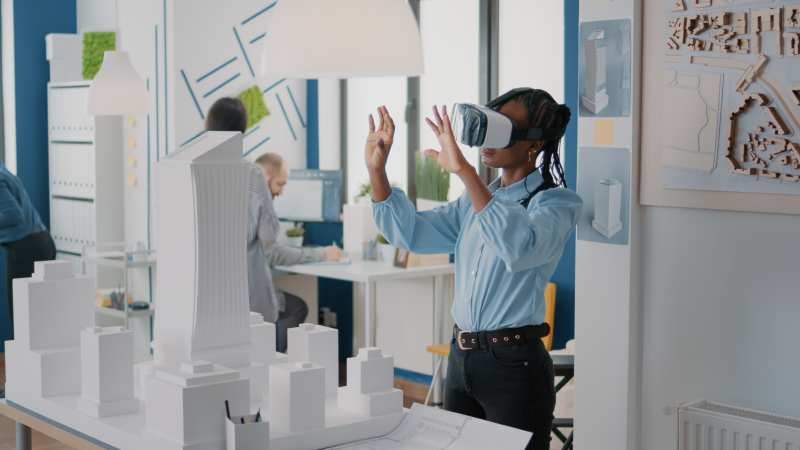
The world of architecture is evolving at a rapid pace, shaped by technological innovations, environmental concerns, and an ever-growing appetite for aesthetically striking designs. Contemporary architecture is no longer just about creating buildings that are functional—it’s about crafting spaces that are sleek, sustainable, and a testament to human ingenuity. From urban skyscrapers to modern residential complexes, architects are embracing new materials, techniques, and design philosophies that redefine the way we interact with our built environment.
Minimalism Meets Functionality
One of the most prominent trends in contemporary architecture is minimalism. Clean lines, uncluttered spaces, and simple forms dominate modern structures, creating a sense of calm and order in increasingly chaotic urban environments. Minimalist architecture is not merely a stylistic choice; it emphasizes efficiency and thoughtful use of space. By stripping away unnecessary ornamentation, architects focus on functionality and the quality of materials, ensuring that every element of a building serves a purpose.
Sustainable Design as a Priority
Sustainability has moved from being a niche consideration to a central pillar of contemporary architecture. Green building practices are shaping everything from high-rise towers to suburban homes. Solar panels, rainwater harvesting systems, energy-efficient lighting, and smart HVAC systems are becoming standard features. Beyond technology, architects are also selecting eco-friendly materials, such as recycled steel, sustainably sourced timber, and low-impact concrete, to reduce a building’s carbon footprint. The goal is not only to construct buildings that are energy-efficient but also to ensure that they have a positive long-term impact on the environment.
Innovative Materials and Techniques
Modern architecture leverages cutting-edge materials and construction techniques to achieve both aesthetic and functional excellence. Glass and steel continue to dominate, but new composites and engineered materials are allowing architects to experiment with shapes, textures, and structural possibilities. Lightweight materials make it possible to create soaring, open spaces without compromising structural integrity, while modular construction and prefabrication techniques accelerate the building process. For example, self-erecting tower cranes like the Potain self-erecting tower crane have revolutionized the way urban skyscrapers are built, enabling rapid assembly of high-rise structures while reducing labor costs and enhancing safety.
Smart Buildings for a Connected World
Technology integration is another hallmark of contemporary architecture. Smart buildings equipped with sensors, automation systems, and advanced monitoring tools are redefining how we live and work. These systems can optimize energy use, improve security, and create adaptive spaces that respond to changing environmental conditions. From automated shading systems that adjust based on sunlight to intelligent HVAC networks that minimize energy consumption, technology ensures that modern buildings are not only beautiful but also efficient and comfortable for their occupants.
Aesthetic Diversity and Personalization
Contemporary architecture celebrates diversity in design, allowing each building to reflect its purpose, location, and cultural context. Architects are increasingly designing structures that are visually striking while respecting their surroundings. Facades might feature intricate patterns, dynamic lighting, or interactive installations, making buildings engaging from both inside and out. Personalization is also key, with architects collaborating with clients to create spaces that reflect individual identities, lifestyles, and values.
Emphasis on Outdoor Integration
Modern architectural trends emphasize the connection between indoor and outdoor spaces. Rooftop gardens, green walls, open terraces, and landscaped courtyards are becoming common features in both residential and commercial buildings. These elements not only enhance aesthetics but also improve air quality, reduce heat island effects, and provide recreational and social spaces for occupants. The blending of natural and built environments fosters a sense of balance and well-being, an essential goal in contemporary design.
The Future of Contemporary Architecture
As urban populations continue to grow and environmental challenges become more pressing, contemporary architecture will increasingly focus on sustainability, adaptability, and innovation. We can expect to see more modular high-rises, energy-positive buildings, and urban designs that prioritize green spaces and walkability. Architects will continue to push the boundaries of material science, construction technology, and aesthetic expression, ensuring that our built environment is not only functional but also inspiring.
In Conclusion
Contemporary architecture represents a harmonious blend of style, technology, and sustainability. The sleek lines, eco-conscious designs, and innovative construction methods define a modern era where buildings are more than just structures—they are statements of vision and values. Whether it’s a high-rise utilizing a self-erecting tower crane or a minimalist eco-home, today’s architecture is about creating spaces that are smart, sustainable, and strikingly beautiful. As these trends continue to evolve, the future of our cities promises to be greener, smarter, and more aesthetically thrilling than ever before.