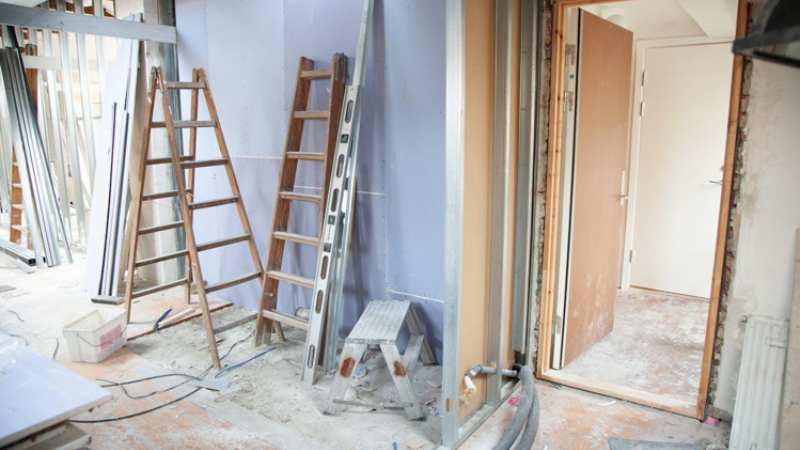
When did fixing up your home start feeling like a high-stakes strategy game?
You used to pick a paint color, maybe change a few tiles, and feel like you conquered something. Now, you’re checking fire maps, scrolling zoning laws, and wondering if your shingles can handle 90 mph winds. Welcome to the new world of home improvement—where it’s not just about style anymore, it’s about staying ahead of the next “what if.”
The ground is shifting under homeowners, literally and metaphorically. Whether it’s an uptick in freak weather events, rising repair costs, or supply chain backlogs that make a simple bathroom update feel like a logistical puzzle, one thing’s clear: today’s renovation choices require foresight. That backsplash you love? Better make sure it’s mildew-resistant. That backyard deck? Time to double-check your elevation and drainage.
In this blog, we will share why smart home improvement is no longer just about upgrading—it’s about anticipating.
The New Rules of the Game
Homeowners are facing a new reality—fires, floods, and long outages in places that never used to deal with them. What once felt rare is now common, and design trends haven’t fully caught up. Features like impact-rated windows and water-sensing systems are becoming the norm. Not out of fear, but out of a growing need to be ready for disruption, delays, and unexpected costs.
That’s also where homeowners insurance has started playing a new kind of role. Coverage used to feel like a formality. Now, it’s a conversation starter—one that influences which upgrades make sense and which don’t. When homeowners consider whether their policy covers modern risks like sump pump failure or wildfire damage, it can directly shape the renovation plan. Make sure to visit https://www.sofi.com/online-insurance/homeowners-insurance/ if you’re also looking for similar info.
Function Is the New Focal Point
There’s a quiet evolution happening in home design. It’s not loud or flashy. But it’s changing everything.
For starters, homeowners are asking better questions. Not just “Will this look nice?” but “Will this hold up when things go sideways?” A kitchen redesign isn’t just about flow anymore. It’s also about choosing finishes that are easy to clean if something leaks. Roof replacements come with checklists: slope angles, material lifespan, and heat resistance. The style is still there. But it’s sitting on top of substance.
Builders and contractors are also adjusting. More are recommending underlayment materials that prevent moisture damage. More are flagging insulation concerns or suggesting smart sensors that alert homeowners to water issues before they escalate. These aren’t luxury add-ons. They’re becoming essentials.
Energy systems are another area seeing a major shift. As power reliability becomes less predictable in many regions, solar panels, battery backups, and even gas shutoff valves are gaining popularity. People want more control over their home’s performance, not just its appearance. A beautiful space means little if it fails you the moment something goes wrong.
Financially Forward Thinking
Planning for a home improvement project used to involve one goal: upgrading your space. Now, there’s a layered approach. Yes, it should look good. But it also needs to support the long game.
That includes thinking about how your choices impact resale, utility costs, and yes, how fast you can recover after something unexpected. A reinforced foundation may not be sexy, but it can save you thousands down the road. The same goes for flood barriers, fire-retardant siding, or smart thermostats that prevent system overuse during heat waves.
Even the layout of your home matters now in different ways. Open concepts are great until airflow becomes a concern. An added bathroom sounds amazing until it increases plumbing exposure in flood-prone zones. Homeowners who are thinking five steps ahead are considering these elements before they’re forced to.
Small Upgrades, Big Payoffs
Thinking ahead doesn’t always mean gutting your house or building a second foundation. Often, it’s the micro-decisions that pay off big later.
Consider these examples:
- Install a backflow valve during a bathroom remodel to prevent sewage backups
- Upgrade to a steel front door for better insulation and break-in resistance
- Use moisture-resistant drywall in basement areas or behind kitchen cabinets
- Choose tile grout that includes anti-fungal properties, especially in bathrooms
- Add a simple battery backup to your sump pump
These changes don’t drastically alter the look or feel of your home. But they could be the difference between a small inconvenience and a five-figure cleanup.
And perhaps more importantly, they put you in the driver’s seat. You’re not just reacting when something happens. You’ve already positioned your home to absorb the hit and keep going.
Building With Context in Mind
So much of the stress around homeownership comes from the feeling that everything is out of your control. But smart improvement gives some of that control back.
Understanding where you live and how that affects your home is a crucial step. A single-family home in Phoenix doesn’t need the same upgrades as a townhouse in Miami. If your area is seeing more frequent storms, then stormproofing isn’t optional—it’s strategic. If wildfires are becoming a seasonal concern, firebreaks, ember-resistant vents, and Class A roofing start making more sense.
It’s not just about location, either. It’s about timing. During periods of high inflation or material shortages, you want to make choices that reduce long-term maintenance. That means thinking ahead about durability, access to repair parts, and replacement cycles.
The Real Payoff: Peace of Mind
At the end of the day, what working ahead really buys you is calm. The calm that comes from knowing your upgrades weren’t just pretty. They were purposeful.
The calm that lets you sleep during a storm because you know your roof was built to handle it. The calm that keeps you from panicking over rising costs because your energy systems were updated when prices were stable. The calm that comes from never having to say, “I wish we’d thought about that.”
Home improvement isn’t just about today’s comfort. It’s about tomorrow’s unknowns. And the people who get ahead of those unknowns? They’re not just lucky. They’re prepared.
If you’re starting a project soon, think about more than how it will look. Think about how it will hold up. How it protects. How it pays off even when things don’t go to plan.
Because the smartest homeowners aren’t just building something better. They’re building something ready.