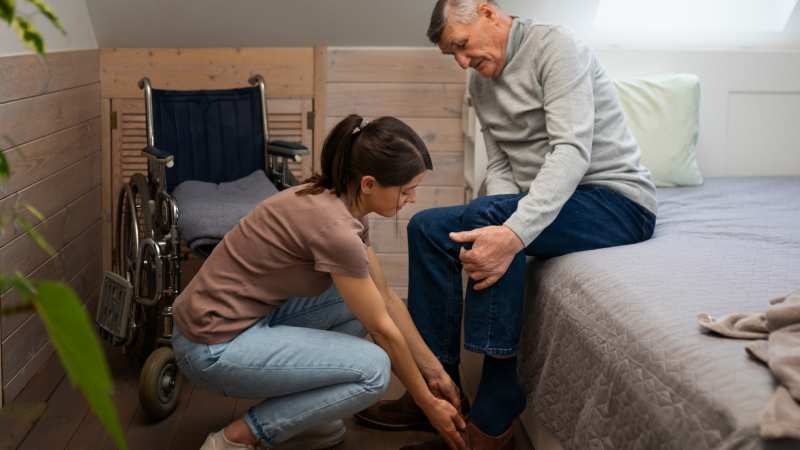
Learning to prevent falls at home might save your life or the life of someone you love. The numbers tell a shocking story: falls cause 21% of all preventable injury-related deaths. Last year alone, 47,026 people lost their lives from falls at home and work. These aren’t random accidents – they represent a severe health crisis affecting millions of Americans each year.
The reality is even more concerning. Emergency rooms treated more than 8.8 million people for fall-related injuries last year. Older adults face the highest risks. A single fall can change everything – one in five leads to serious injuries like broken bones or brain trauma. Most people don’t realize these accidents happen because of the everyday hazards they walk past until something goes wrong.
This piece will cover the most common reasons people fall at home and provide practical ways to prevent them. You’ll learn how to keep vulnerable family members safe, make simple changes that lower fall risks, and understand your legal options after an injury. These safety measures could help create a safer home and save lives.
Top 8 Causes of Falls in the Home
People don’t just fall at home without reason. These accidents occur because of specific hazards we often overlook until someone is injured.
Poor lighting poses the most significant risk of falls. You’re more likely to slip or trip by a lot when you can’t see where you’re going. Your eyes can play tricks on you when shadows and glare hide dangerous spots.
Wet floors cause most slip accidents. The numbers show that 80% of slips happen on wet surfaces. This includes everything from spills to mopped floors that haven’t dried yet.
- Stairways become dangerous spots when people lose their balance or don’t use handrails.
- Uneven surfaces can catch anyone off guard. Warped wooden floors, broken tiles, and bumpy doorways often lead to unexpected falls.
- Home clutter substantially increases your risk of falling. Research shows that 32% of people have lost at least once due to cluttered spaces.
- Loose rugs and carpets are common hazards in 78% of older adults’ homes.
- Improper footwear makes you unstable. People wearing slippers, socks, or no shoes account for 51.9% of home falls.
- Seasonal hazards such as ice and snow require extra care, especially for older adults who already face higher risks.
How to Prevent Slip and Fall Accidents at Home
Let’s look at practical ways to make your home safer now that we know what causes falls. Simple changes can make your living space much safer.
Your floors need attention first. You should replace throw rugs with non-slip options or attach them securely with double-sided tape. Area rugs need non-slip pads underneath to stay in place. Textured vinyl flooring works well in high-traffic areas because it provides a good grip even when wet.
Good lighting helps prevent falls. Bright lights should go in stairwells and hallways with switches at both ends. People find motion-activated lights really helpful at night. Your bedrooms and bathrooms need nightlights to create safe paths during dark hours.
Keep your walkways clear by running cords along walls and removing floor clutter. Your furniture arrangement should create clear paths. Make sure chairs and sofas sit at heights that let you get up easily.
Bathrooms need grab bars next to toilets and showers. Non-slip mats should be used inside tubs and on bathroom floors. Your stairways should have strong handrails on both sides with proper lighting to eliminate shadows.
Good housekeeping makes a big difference. Clean spills immediately, mark wet areas, and keep walking surfaces in good condition. These simple changes will make your home environment much safer.
Protecting Vulnerable Groups and Legal Considerations
Falls pose serious risks to older adults at home, and statistics show that all but one of these four people over 65 fall yearly. These accidents send about 3 million people to emergency rooms and put nearly 1 million in hospitals each year.
Seniors need extra safety measures in specific areas of their homes. The bathroom is particularly dangerous, accounting for over 80% of home falls. You should install grab bars near toilets and showers. Raised toilet seats, shower chairs, and handheld shower heads help older adults remain independent and safe.
Regular medical checkups serve as a vital part of preventing falls. Doctors can spot potential issues through vision tests, hearing screenings, and medication reviews before accidents happen. Simple home changes, such as adding nightlights, securing stair railings, and installing ramps, make living spaces safer for vulnerable residents.
Property owners should understand their responsibilities under premises liability laws. Someone who falls on your property might claim compensation through your homeowner’s insurance. The injured person must show that you knew about a dangerous condition but didn’t fix it. If you’re unsure how liability laws apply in your case, ConsumerShield connects homeowners and injury victims with attorneys who can help clarify rights, coverage, and next steps after a fall-related injury at home
Evidence collection becomes critical after the whole ordeal. You need photos of the accident scene, medical records documenting the fall-related injuries, and witness statements. Property owners protect themselves by maintaining appropriate insurance coverage and addressing hazards promptly.
Conclusion
Home falls are more than just accidents – they’re a serious health issue that affects millions of Americans every year. This piece examines the alarming numbers and common causes of these preventable incidents.
Fundamental changes can make a huge difference in your home’s safety. You can substantially reduce fall risks by fixing slippery floors, adding better lighting, securing rugs, and removing clutter. Bathrooms and stairways become much safer when equipped with grab bars and proper handrails.
Senior citizens require additional care in fall-prevention planning. These accidents can be devastating for older people and often lead to serious injuries that limit their independence. Regular doctor visits and special home modifications are the foundations of keeping them safe.
Additionally, property owners must understand their legal duties. A safe environment not only protects visitors and family members but also shields homeowners from liability risks.
Fall prevention ultimately came down to staying alert and taking action. Most accidents happen because we don’t spot dangers until it’s too late. Understanding these risks and solutions helps us create safer homes. These simple changes don’t cost much but could save lives and help people stay independent. Making your home fall-proof creates peace of mind for everyone living there.