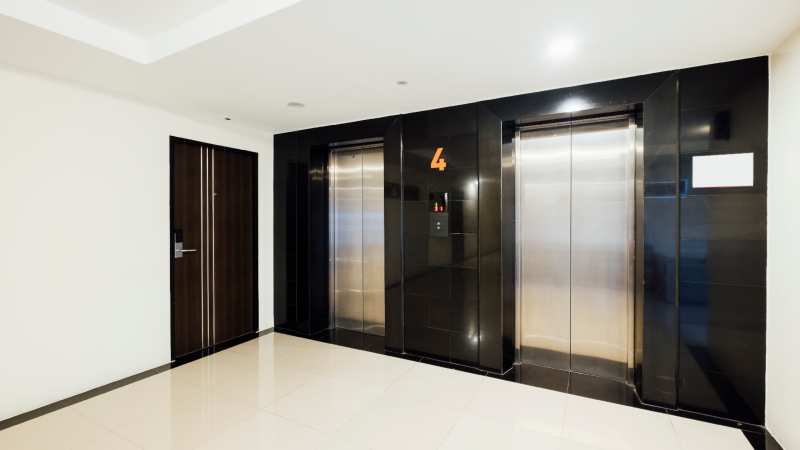
Home lift projects are becoming an essential feature in modern residential design. Once considered a luxury, home lifts are now widely used for convenience, accessibility, and future-proof living. Whether you are planning a new home or upgrading an existing one, installing a home lift can significantly improve comfort, safety, and functionality.
This detailed guide explores home lift project ideas, including planning tips, types of home lifts, design inspirations, safety considerations, and installation guidance—helping you make informed decisions for your project.
What Is a Home Lift and Why It Matters
A home lift is a compact elevator designed specifically for residential use. It allows smooth vertical movement between floors and is suitable for people of all ages. Home lifts are commonly installed to support elderly family members, individuals with mobility challenges, or homeowners seeking convenience and modern living solutions.
Key Benefits of Home Lift Projects
- Improved mobility and accessibility
- Increased comfort and independence
- Safe movement between floors
- Enhanced home design and functionality
- Long-term living support for aging families
Home lifts are no longer only practical additions; they are now stylish architectural features.
Types of Home Lifts for Residential Projects
Understanding the different types of home lifts helps you choose the right solution for your space and needs.
Hydraulic Home Lifts
Hydraulic lifts are known for their smooth operation and strong lifting capability. They are suitable for homes with multiple levels and offer reliable performance.
Ideal for:
- Larger homes
- Families needing higher weight capacity
- Smooth and quiet operation
Traction Home Lifts
Traction lifts use a motor and counterweight system. They are efficient and suitable for vertical travel across several floors.
Ideal for:
- Multi-story houses
- Continuous daily use
- Energy-efficient living
Pneumatic (Vacuum) Home Lifts
These lifts operate using air pressure and have a modern, transparent design. They require minimal structural changes and are visually striking.
Ideal for:
- Small or compact homes
- Modern interior designs
- Quick installation projects
Screw-Driven Home Lifts
This type uses a threaded drive system and is popular for residential use due to its simplicity and reliability.
Ideal for:
- Limited spaces
- Straightforward home upgrades
- Low-maintenance solutions
Planning a Home Lift Project: Step-by-Step Guide
Step 1: Identify Your Requirements
Start by defining who will use the lift and how often. Consider:
- Number of floors
- Passenger capacity
- Accessibility needs
- Future family requirements
Planning for long-term use ensures the lift remains useful for years.
Step 2: Space Evaluation
Home lifts can be installed in various locations, such as:
- Near staircases
- Inside unused closets
- Hallways
- Central living areas
A proper space assessment ensures smooth installation without disrupting the home structure.
Step 3: Design Compatibility
Your home lift should blend with your interior design. Consider:
- Cabin size
- Door type
- Wall finishes
- Lighting
Modern home lifts can be customized to match classic, minimalist, or contemporary interiors.
Step 4: Safety and Compliance
Ensure your home lift meets safety standards and building regulations. Important safety features include:
- Emergency stop button
- Automatic door locks
- Alarm system
- Backup power support
Working with certified professionals ensures compliance and peace of mind.
Creative Home Lift Project Ideas
Here are practical and stylish home lift ideas to inspire your project:
Idea 1: Glass Panoramic Lift
A glass lift adds elegance and becomes a design centerpiece. It allows natural light to flow between floors and creates a sense of openness.
Best for:
Modern and luxury homes
Idea 2: Staircase-Integrated Lift
This lift is installed alongside or within the staircase structure, making excellent use of vertical space.
Best for:
Homes with limited layout options
Idea 3: Hidden Home Lift
Designed to blend seamlessly with walls or cabinets, hidden lifts maintain a clean interior appearance.
Best for:
Minimalist or traditional homes
Idea 4: Outdoor Home Lift
An exterior lift connects balconies or entrances, providing convenient access without altering interior layouts.
Best for:
Homes with outdoor space or split-level designs
Idea 5: Wheelchair Platform Lift
These lifts focus on accessibility and safety while maintaining compact design.
Best for:
Homes with elderly residents or wheelchair users
Interior Design Features for Home Lifts
Enhancing your home lift with thoughtful design features increases comfort and visual appeal.
Lighting
LED lighting improves visibility and creates a welcoming cabin environment.
Smart Controls
Touch panels, remote operation, or smart home integration make operation effortless.
Materials & Finishes
Options include glass, stainless steel, wood panels, or textured finishes to match your home décor.
Comfort Enhancements
Handrails, non-slip flooring, and seating options improve safety and user comfort.
Installation Process Overview
The installation process typically involves:
- Structural preparation
- Electrical setup
- Lift system installation
- Safety testing and inspection
- Final handover and user training
Proper coordination between architects, engineers, and installers ensures a smooth project.
Maintenance and Long-Term Care
Regular maintenance is essential for safety and performance. Basic care includes:
- Routine inspections
- Lubrication of moving parts
- Testing emergency systems
- Cleaning tracks and doors
Consistent maintenance extends the lifespan of your home lift.
Common Mistakes to Avoid
- Ignoring future accessibility needs
- Choosing unsuitable lift types for the available space
- Skipping professional assessments
- Overlooking safety features
- Focusing only on appearance instead of function
Avoiding these mistakes ensures a successful home lift project.
Conclusion
Home lift projects are a smart investment in comfort, accessibility, and modern living. With proper planning, thoughtful design, and professional installation, a home lift can seamlessly integrate into your lifestyle while enhancing your home’s functionality.
Whether your goal is convenience, mobility support, or architectural elegance, the right home lift project can transform the way you live—today and in the future.