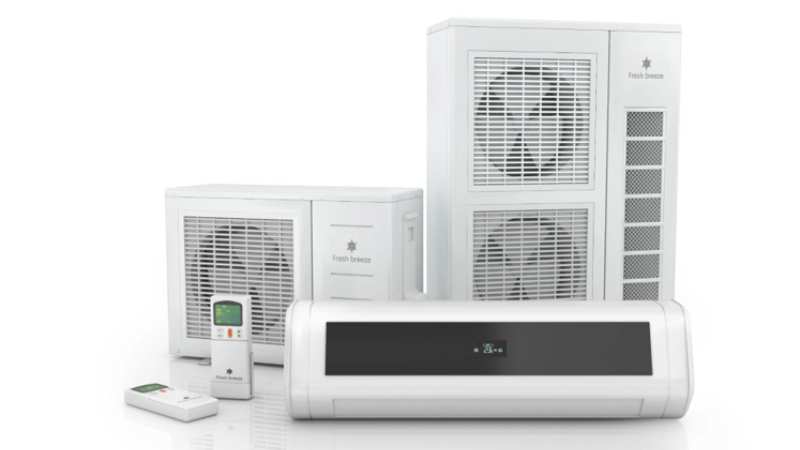
Albury, with its distinct seasonal variations, often experiences hot summers and chilly winters, making effective air conditioning not just a comfort but a necessity. As energy costs continue to rise, the demand for efficient air conditioning systems that won’t break the bank is on the uptrend. Choosing the right system is crucial not only for reducing electricity bills but also for minimizing environmental impact. There are primarily two types of air conditioning systems to consider: split and ducted. This article aims to compare energy efficiency between these two systems, providing Albury residents with valuable insights.
Understanding Split Air Conditioning Systems
A split air conditioning system consists of two main components: an indoor unit and an outdoor unit. These systems are designed to cool individual rooms, making them a practical solution for tailor-made temperature control. One of the standout energy efficiency features of split systems is the inclusion of inverter technology, which adjusts the compressor speed based on the room’s temperature. This innovation ensures consistent temperatures while using less energy, making split systems a popular choice for energy-conscious consumers.
In Albury’s climate, split systems offer considerable flexibility. They are perfect for residential use, especially in homes where cooling is needed in select areas rather than throughout the entire home. They can also be suitable for small commercial spaces. However, not all is rosy; split systems can become aesthetically imposing with multiple units attached to various rooms in a single property.
When it comes to installation and maintenance, split systems generally require less complex setup compared to ducted systems. However, regular cleaning of filters and professional servicing every couple of years is recommended to maintain optimal performance.
Exploring Ducted Air Conditioning Systems
Ducted air conditioning systems provide a centralised cooling solution, channelling air through a network of ducts installed within the roof space or under the floor. These systems can efficiently cool an entire home or large commercial space from a single central point. One of their key energy efficiency benefits is the ability to zone different areas, cooling only the parts of a property that are in use at any given time.
In Albury, ducted systems serve well in larger or multi-story properties as they provide uniform temperature control without intruding on interior design. However, the installation of these systems is typically more complex and costly than that of split systems. Furthermore, the systems can sometimes result in higher energy consumption if not zoned or maintained properly.
Ongoing maintenance for ducted systems generally comes at a higher cost, as routine inspections and cleaning of ducts are necessary to ensure they run efficiently. Yet, with proper care, these systems can provide long-lasting climate control.
Energy Efficiency Comparison: Split vs Ducted
To help homeowners make an informed decision, this section will compare split and ducted systems in terms of energy use, cost, and suitability for different property sizes.
When it comes to energy efficiency, it’s crucial to evaluate the energy consumption rates of split versus ducted systems. Split system units, with sophisticated inverter technology, tend to be more energy-efficient for single-room cooling. However, they can become less efficient if multiple units are deployed across a property.
Ducted systems, on the other hand, excel in properties where climate control for the entire space is needed, especially when zoned effectively. Nonetheless, in an area like Albury, where summer temperatures can be quite high, ducted systems might step up in energy use during prolonged heat waves.
Across real-world scenarios in Albury, homeowners using split systems have noted the savings in energy costs for targeted cooling. Conversely, businesses in larger spaces often prefer ducted systems for their ability to maintain a consistent climate. Importantly, when considering environmental implications, split systems typically offer lower greenhouse gas emissions per unit, depending on usage patterns.
Cost Analysis and Economic Considerations
Initial installation costs for split systems are generally lower than ducted systems due to the simplicity of their design. However, long-term savings should not be overlooked; split systems can lead to significant reductions in energy bills when properly used. On the other hand, ducted systems, while demanding a higher initial investment, offer potential cost savings through their zoning capabilities.
In Albury, there are government incentives aimed at promoting energy-efficient installations. These can help residents offset the higher initial costs associated with ducted systems or encourage the use of energy-saving split systems.
A thorough cost analysis should take into account lifecycle expenses, covering repairs and upgrades, which can add up over time. For both systems, maximising energy efficiency can involve simple regular maintenance and occasional professional checks.
Making the Right Choice for Your Home or Business
Deciding between a split and a ducted system should hinge on several factors: the size of the property, the number of areas requiring cooling, and the budget for initial and ongoing costs. Customising solutions to the specific layout of a property in Albury can ensure that the chosen system aligns with both efficiency and practical needs.
Engaging with professional advice can be beneficial before investing. Experts can provide tailored recommendations and may even reveal design considerations or system options that property owners may not have previously considered.
Conclusion
In the debate between split and ducted air conditioning systems, energy efficiency plays a pivotal role. Split systems offer precision efficiency for smaller spaces, while ducted systems provide effective control for larger environments. Both have their place, and the choice boils down to specific needs, property size, and budget.
For Albury residents, the unique climate further underscores the importance of selecting the right system. So, why not assess your current setup? With expert consultation, Albury inhabitants can make informed decisions that lead to better energy performance and comfort.