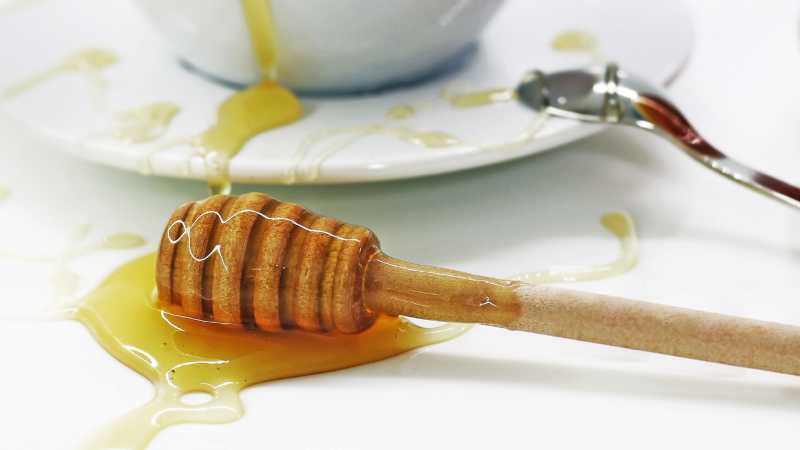
Real Mad Honey is a unique type of honey known for its unusual natural properties. Unlike ordinary honey, it can contain naturally occurring grayanotoxins. These compounds come from nectar collected from certain rhododendron flowers.
This distinctive honey has a long history in some regions and cultures. Today, people may encounter it through specialty food sellers and online marketplaces. Understanding its origin, characteristics, and safety considerations is important before purchasing or consuming it.
What Is Real Mad Honey?
Real Mad Honey is honey produced when bees collect nectar from specific rhododendron species. These plants contain naturally occurring compounds that can pass into the honey.
The honey can vary in color, flavor, strength, and chemical composition. Its characteristics depend partly on the flowers available to bees and the region where the honey is produced.
Where Does Mad Honey Come From?
Mad Honey is traditionally associated with mountainous areas where certain rhododendron species grow naturally. Nepal and parts of Turkey are particularly associated with this distinctive honey.
Local harvesting traditions can vary between regions. The floral environment plays an important role in determining the honey’s characteristics.
Why Is It Different From Regular Honey?
Ordinary honey does not normally contain meaningful amounts of grayanotoxins. Mad Honey is different because bees may collect nectar from rhododendron flowers containing these compounds.
This difference gives the honey its distinctive reputation. It also means that consumers should not treat it exactly like ordinary table honey.
How Real Mad Honey Gets Its Unique Properties
The characteristics of Real Mad Honey begin with the plants visited by honeybees. Certain rhododendron flowers contain grayanotoxins, which can become present in the resulting honey.
The concentration can vary considerably. Factors such as plant species, location, season, and harvesting practices can influence the final product.
The Role of Rhododendron Flowers
Rhododendron plants include many different species. Only certain species and growing regions are associated with grayanotoxin-containing nectar.
When bees collect nectar from these flowers, the compounds can become part of the honey. This natural process is responsible for the honey’s distinctive properties.
Natural Variation Matters
Real Mad Honey is not necessarily identical from one batch to another. Natural products can vary depending on their source and environmental conditions.
This is one reason consumers should pay attention to sourcing and product information. A label alone may not communicate the actual concentration of naturally occurring compounds.
What Does Real Mad Honey Taste Like?
Mad Honey can have a distinctive flavor that differs from familiar varieties of honey. Some people describe it as bitter, sharp, earthy, or slightly medicinal.
The taste can depend on the floral source and production region. Its unusual flavor is one of the characteristics that separates it from common honey varieties.
Flavor Can Vary by Region
Honey produced in different regions can have noticeably different sensory characteristics. Soil, climate, plants, and harvesting methods can all influence flavor.
Mad Honey is no exception. The floral source is particularly important because rhododendron species differ across geographic areas.
Color and Texture
Mad Honey can range from lighter golden shades to darker tones. Its texture may also vary depending on the source and storage conditions.
Visual appearance alone cannot confirm whether a honey product is genuine. Reliable sourcing and product information are more useful when evaluating authenticity.
Why People Search for Real Mad Honey
Interest in Real Mad Honey comes from its unusual history, distinctive flavor, and natural composition. It is often discussed as a specialty honey rather than an everyday sweetener.
Some consumers are interested in its traditional cultural background. Others are curious about how it differs from conventional honey.
Traditional Interest
Mad Honey has historical associations with traditional harvesting communities. In some regions, knowledge about collecting rhododendron honey has been passed through generations.
This cultural background contributes to its identity as a distinctive regional product. However, traditional use does not automatically establish that a product is safe or effective for every purpose.
Specialty Food Interest
Some people purchase Mad Honey because they enjoy unusual foods and regional specialties. Its rarity can make it appealing to consumers who like exploring distinctive natural products.
Because its chemical composition differs from ordinary honey, it should be approached differently. Consumers should understand the product before deciding whether it is suitable for them.
How to Identify Real Mad Honey
Authenticity can be difficult to determine from appearance alone. The color, texture, and taste of honey can vary naturally and are not reliable proof of its source.
A careful buyer should look at the product’s origin, seller information, labeling, and available testing documentation.
Check the Source
A reputable seller should provide clear information about where the honey was harvested. Geographic origin can be especially important for specialty honey products.
Consumers should be cautious when a listing provides vague or contradictory sourcing information. Clear documentation can provide greater confidence about what is being purchased.
Look for Transparent Product Information
Product descriptions should explain the honey’s origin and characteristics clearly. Packaging should also provide relevant information required by applicable food regulations.
Claims that sound exaggerated deserve additional caution. A distinctive product does not need unrealistic promises to demonstrate its value.
Consider Independent Testing
Laboratory testing can provide information about a honey’s composition. Testing may be particularly useful when a product is marketed based on specific naturally occurring compounds.
Consumers should look for credible testing information when it is available. Testing details should identify what was measured rather than relying only on broad claims.
Safety Considerations for Real Mad Honey
Real Mad Honey deserves careful attention because grayanotoxins can affect the nervous and cardiovascular systems. The effects can depend on the amount consumed and the concentration present in the honey.
Potential symptoms can include dizziness, nausea, vomiting, weakness, low blood pressure, and changes in heart rate. Serious poisoning can require medical attention.
Why Dosage Can Be Uncertain
The concentration of grayanotoxins can vary between batches. This makes it difficult to determine a universally safe amount based only on the product’s appearance or a general serving size.
Consumers should therefore avoid assuming that a small amount will always have the same effect. Product variability is an important safety consideration.
Possible Symptoms
Grayanotoxin exposure can produce symptoms affecting several body systems. Reported effects can include nausea, dizziness, sweating, blurred vision, weakness, and abnormal heart rhythms.
More serious effects may include significant drops in blood pressure or changes in heart function. Anyone experiencing concerning symptoms after consuming Mad Honey should seek appropriate medical care.
Medication and Health Considerations
People taking medicines that affect blood pressure or heart rate may need particular caution. Other medical conditions may also make exposure more concerning.
Anyone with a relevant health condition or medication concern should speak with a qualified healthcare professional before consuming products containing grayanotoxins.
Real Mad Honey vs. Regular Honey
Real Mad Honey and ordinary honey are both produced by bees, but their chemical profiles can differ. The floral source is the key factor behind this distinction.
Regular honey is commonly used as a sweetener and food ingredient. Mad Honey is generally treated as a specialty product because of its unusual natural composition.
Differences in Composition
The most notable difference is the possible presence of grayanotoxins in Mad Honey. Ordinary commercial honey is not generally associated with these compounds.
The amount present in Mad Honey can vary. This makes it important to consider the specific product rather than assuming every jar has identical properties.
Differences in Typical Use
Regular honey is commonly added to food and drinks. Mad Honey is often purchased because of its distinctive regional identity and unusual characteristics.
Consumers should not assume that traditional descriptions of Mad Honey translate into established medical benefits. Food traditions and scientific evidence are not the same thing.
Buying Real Mad Honey Responsibly
Buying a specialty honey product requires more than choosing the most attractive package. Consumers should consider sourcing, labeling, seller transparency, and available quality information.
A careful approach can help reduce the chance of purchasing a mislabeled or poorly documented product.
Choose Transparent Sellers
A seller should provide clear information about the product’s origin and characteristics. Contact details and product documentation can also help consumers evaluate the seller.
Buyers should be cautious about products making dramatic health claims. Clear and factual product information is generally more useful.
Check Packaging Information
Packaging should provide relevant details such as ingredients, origin, quantity, storage information, and applicable warnings. Requirements can differ between countries.
Consumers should also check whether the product is legally permitted for sale in their location. Food regulations can vary significantly between jurisdictions.
Storing Real Mad Honey
Proper storage helps preserve honey’s quality. Like other honey products, Mad Honey should generally be kept in a suitable sealed container away from excessive heat and moisture.
The seller’s storage instructions should take priority because products can vary in packaging and processing.
Keep It Sealed
A properly sealed container helps protect honey from moisture and contamination. The lid should be closed securely after each use.
Clean utensils should also be used when handling honey. This helps maintain product quality over time.
Avoid Excessive Heat
High temperatures can affect honey’s flavor and quality. A cool, dry storage location is generally more suitable than an area exposed to strong heat.
Consumers should follow any specific storage guidance provided by the producer. This is especially important for specialty products with unique characteristics.
Common Mistakes When Buying Real Mad Honey
Interest in specialty honey can sometimes lead buyers toward exaggerated claims. A careful purchasing process helps separate genuine product information from unsupported marketing.
Consumers should focus on origin, transparency, testing, and safety rather than dramatic promises.
Believing Every Health Claim
Mad Honey is sometimes marketed with broad claims about energy, wellness, or other effects. Such claims should not automatically be treated as established facts.
Traditional use and personal experiences can be interesting, but they do not replace reliable scientific evidence. Consumers should evaluate health claims carefully.
Assuming Every Batch Is Identical
Natural Mad Honey can vary in chemical composition. Two products may not contain the same concentration of grayanotoxins.
This variability makes it inappropriate to assume that an amount tolerated from one product will have the same effect from another.
Ignoring Safety Information
Some buyers focus heavily on flavor or authenticity while overlooking safety considerations. This can be particularly important with products containing naturally occurring active compounds.
Reading available warnings and understanding the potential effects can support more informed decisions.
Frequently Asked Questions About Real Mad Honey
What Is Real Mad Honey?
Real Mad Honey is honey produced from nectar collected from certain rhododendron flowers. It can contain naturally occurring grayanotoxins, which distinguish it from ordinary honey.
Why Is It Called Mad Honey?
The name refers to the unusual effects that can occur after consuming honey containing grayanotoxins. These effects can include dizziness, nausea, weakness, and changes in blood pressure or heart rate.
Where Does Mad Honey Come From?
Mad Honey is traditionally associated with regions where grayanotoxin-containing rhododendron species grow. Nepal and parts of Turkey are well-known sources.
Does Real Mad Honey Taste Different?
It can have a distinctive flavor that may be bitter, earthy, sharp, or medicinal. Taste varies according to the floral source and geographic origin.
Is Real Mad Honey the Same as Regular Honey?
No. Both are produced by bees, but Mad Honey can contain grayanotoxins because of its floral source. Regular honey is not generally associated with these compounds.
How Can Buyers Check Authenticity?
Buyers can examine sourcing information, labeling, seller transparency, and available laboratory testing. Appearance and taste alone cannot reliably prove authenticity.
Can Real Mad Honey Cause Side Effects?
Yes. Honey containing grayanotoxins can cause symptoms such as dizziness, nausea, vomiting, weakness, low blood pressure, and changes in heart rate. Severe symptoms may require medical attention.
Should Everyone Consume Real Mad Honey?
People should consider its unique chemical composition and potential risks before consuming it. Those with medical conditions or medication concerns should discuss it with a qualified healthcare professional.
Understanding Real Mad Honey Before Buying
Real Mad Honey is a fascinating specialty food with a distinctive botanical origin and cultural history. Its unusual characteristics come from nectar collected from certain rhododendron flowers, which can introduce grayanotoxins into the honey.
Its uniqueness also means that consumers should approach it with more care than ordinary honey. Checking the source, understanding product variability, reviewing safety information, and avoiding unsupported health claims can help buyers make informed choices.