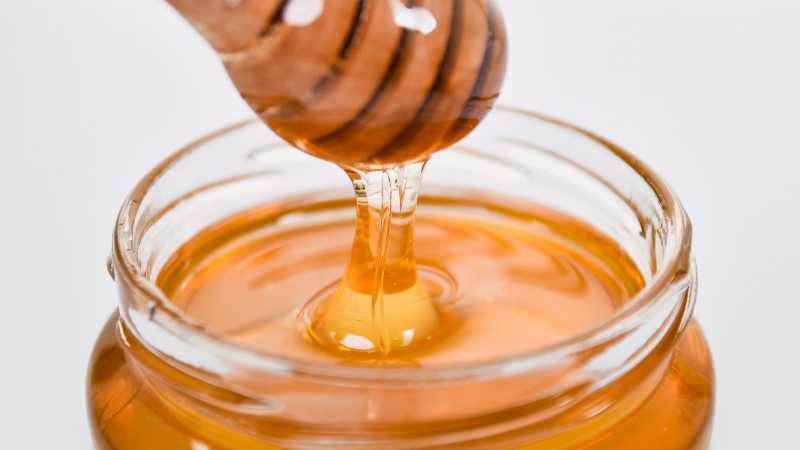
Real Mad Honey is a distinctive specialty honey known for its unusual origin, rich flavor, and long history in certain mountainous regions. Unlike everyday floral honey, it is traditionally associated with bees collecting nectar from particular rhododendron flowers. This unique source gives mad honey characteristics that have made it a subject of interest among specialty-food enthusiasts and curious consumers.
What Is Real Mad Honey?
Real Mad Honey is traditionally produced when honeybees collect nectar from rhododendron flowers containing naturally occurring compounds called grayanotoxins. These compounds can become present in the resulting honey, contributing to its distinctive properties.
The term “mad honey” generally refers to honey associated with these particular floral sources rather than simply describing honey that is unusually strong or unusual in taste. Genuine products are typically connected to specific geographic areas where suitable rhododendron species grow.
Its floral source is what makes it different.
The characteristics of mad honey can vary depending on the plant species, region, season, and harvesting conditions. This natural variation is one reason specialty versions can be particularly interesting to food enthusiasts.
Where Does Mad Honey Come From?
Mad honey has traditionally been associated with mountainous areas where rhododendron plants grow naturally. Nepal and parts of Turkey are among the regions commonly connected with its production.
In these environments, bees can access rhododendron blossoms during their flowering season. Beekeepers may then harvest honey from hives positioned in areas where these plants are abundant.
The surrounding landscape plays an important role in the final product. Altitude, climate, vegetation, and seasonal flowering can all influence the honey’s color, aroma, consistency, and flavor.
What Makes Real Mad Honey Different?
The main distinction between mad honey and ordinary honey is its botanical source. Conventional honey can come from countless flowers, including clover, acacia, wildflowers, and citrus blossoms. Mad honey is specifically associated with nectar from certain rhododendron species.
Its flavor can be more complex than familiar table honey. Depending on its origin, it may have earthy, bitter, herbal, or slightly sharp notes alongside natural sweetness.
Unlike standard honey, it is not generally chosen simply as an everyday sweetener.
Instead, it is often explored as a specialty food with a particular cultural and geographical identity.
Understanding Its Distinctive Characteristics
Real Mad Honey can vary considerably from one harvest to another. Its color may range from golden or amber shades to darker tones, while its consistency can vary depending on moisture content, temperature, and storage.
Flavor is also influenced by the nectar collected by the bees. A product harvested from an area dominated by rhododendron may have different characteristics from one produced where multiple nectar sources are available.
This natural variation is common among specialty honeys.
Every harvest can have its own character.
For consumers, information about the region and floral source can therefore be valuable when trying to understand what to expect from a particular product.
The Traditional and Cultural Interest
Mad honey has a long history in regions where rhododendron species are native. Its unusual characteristics have contributed to traditional stories and cultural interest surrounding the product.
Historical accounts have also described the effects associated with consuming honey from certain rhododendron species. These stories are part of the broader history of the product and help explain why mad honey has attracted attention beyond the ordinary honey market.
Today, interest in mad honey includes culinary curiosity, specialty-food exploration, and an interest in traditional food products from specific regions.
How to Choose Authentic Mad Honey
Because mad honey is a niche product, authenticity and sourcing are important considerations. Consumers should look for sellers that provide clear information about the product’s origin, producer, harvesting region, and ingredients.
A transparent description can help distinguish a genuinely sourced specialty honey from products using the name primarily as a marketing term.
Consider checking:
- Country and region of origin.
- Floral source information.
- Producer or beekeeper details.
- Ingredient labeling.
- Packaging and storage information.
- Seller reputation.
A high price alone does not establish authenticity. Reliable sourcing information is much more useful when evaluating a specialty product.
How Should Real Mad Honey Be Stored?
Proper storage helps preserve the quality and characteristics of honey. Real Mad Honey should generally be kept in a sealed container in a cool, dry place away from direct sunlight and excessive heat.
Moisture should also be kept away from the container because introducing water can affect honey’s stability.
If crystallization occurs, it does not necessarily mean the honey has gone bad. Crystallization is a natural process that can occur with many types of honey.
Always follow the storage recommendations provided by the specific producer.
Important Considerations Before Consuming Mad Honey
Real Mad Honey deserves particular caution because honey made from certain rhododendron species can contain grayanotoxins. These naturally occurring compounds can affect the nervous and cardiovascular systems when consumed.
For that reason, mad honey should not be treated as ordinary honey or consumed casually. The concentration of naturally occurring compounds can vary between products, making the effects difficult to predict.
More is not better with mad honey.
Consumers should follow applicable product guidance and consider speaking with a healthcare professional if they have concerns about whether consuming this specialty food is appropriate for them, particularly if they take medications or have an underlying health condition.
It is also important not to confuse traditional descriptions of mad honey with medically established benefits. Claims about therapeutic effects should be approached carefully unless supported by reliable scientific evidence.
Enjoying Specialty Honey Responsibly
For people interested in unusual foods, Real Mad Honey can be approached as a specialty product with a fascinating botanical and cultural background. Learning about its origin and production can make the experience more meaningful than simply purchasing a jar based on its name.
Specialty honey can also be compared with other unusual varieties to explore differences in aroma, texture, and flavor. Keeping tasting portions small and paying attention to product information is particularly important with mad honey because of its naturally occurring compounds.
Final Thoughts
Real Mad Honey stands apart from conventional honey because of its distinctive rhododendron-related origin, regional history, and unusual characteristics. Its appeal comes from the combination of natural production, geographical identity, traditional heritage, and a flavor profile that can differ substantially from everyday honey.