
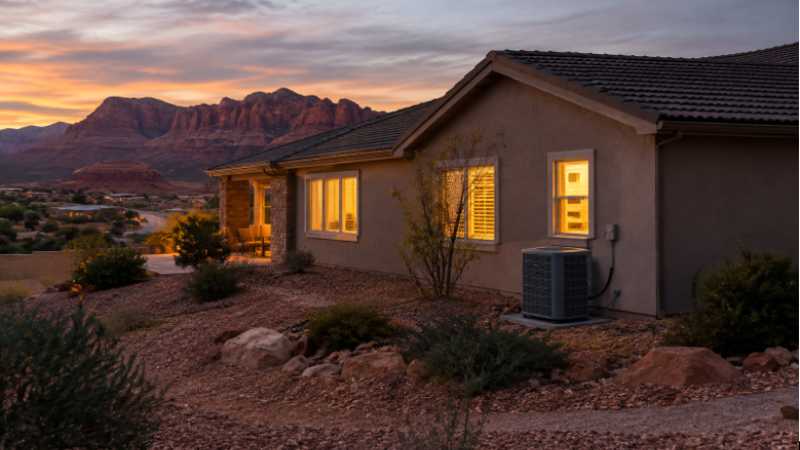
In St. George, warm afternoons can make it easy to overlook a furnace issue until a cold desert evening arrives. Whether the system will not start, runs for hours, or sends cool air through the vents, early attention can prevent a minor comfort problem from becoming a more stressful situation. Homeowners comparing options for furnace repair and replacement in St George, UT benefit from knowing which checks are safe, which symptoms are urgent, and what a complete diagnosis should explain.
A furnace does not have to fail completely to need attention. Uneven temperatures, unfamiliar noises, frequent cycling, and rising energy use can all point to an issue with airflow, controls, ignition, or another part of the heating system. The goal is not to diagnose internal equipment yourself. It is important to notice useful clues, take safe basic steps, and respond quickly when safety may be involved.
Early Warning Signs a Furnace Needs Attention
Furnaces often provide warning signs before they stop heating altogether. One bedroom that remains chilly, a living room that becomes too warm, or a system that runs most of the evening may indicate that the equipment is working harder than normal. Pay attention if the furnace will not start, starts and stops repeatedly, takes much longer to heat the house, or blows air that feels cool.
New sounds also matter. Rattling may come from a loose panel or ductwork, while scraping, grinding, loud banging, or repeated clicking can indicate a mechanical or control concern. Record when the sound occurs, whether it begins at startup or during operation, and whether comfort changes at the same time.
Safe Checks to Try Before Calling for Help
Limit homeowner checks to accessible controls and visible conditions. Do not remove furnace panels, bypass safety switches, adjust gas controls, or attempt electrical repairs.
- Confirm the thermostat is set to “Heat” and raise the setting a few degrees above room temperature.
- Check whether the thermostat display has power and replace batteries if the model uses them.
- Inspect the filter and replace it if it is visibly dirty or overdue for replacement.
- Make sure supply vents and return grilles are open and not blocked by furniture, rugs, or storage.
- Look at the electrical panel for a tripped breaker labeled for the furnace or HVAC system.
- Write down any error code visible through an exterior display or viewing window.
These steps can identify simple thermostat or airflow issues, but they cannot confirm the condition of ignition parts, venting, burners, wiring, heat exchangers, or internal safety controls.
Problems That Need Immediate Action
Safety comes before restoring heat. If a carbon monoxide alarm sounds, leave the home and call 911 or local emergency services from outside. If you smell gas, leave immediately and avoid switches, appliances, open flames, or phone use inside the home. Fuel-burning furnaces can produce carbon monoxide when equipment is improperly installed, poorly maintained, or affected by defective or blocked venting, which is why the CPSC recommends working smoke and carbon monoxide alarms throughout the home.
Smoke, a strong burning-plastic smell, visible damage, water near electrical components, or severe mechanical noise also deserve urgent professional attention. Turn the system off only if it is safe to do so, then keep people away from the equipment until it can be inspected.
Common Causes of Heating Problems
Airflow Restrictions
A clogged filter, blocked return grille, closed vents, duct leakage, or blower issue can reduce airflow. Poor airflow may contribute to uneven room temperatures, longer heating cycles, and system shutdowns triggered by safety controls.
Thermostat, Ignition, and Control Problems
Incorrect settings, depleted batteries, poor thermostat placement, wiring faults, or communication problems can interrupt a call for heat. A furnace may also fail to complete its heating sequence because of an ignition component, flame-sensing concern, pressure switch, limit switch, capacitor, or control-board problem. These components require professional testing rather than guesswork.
Venting and Combustion Concerns
Fuel-burning equipment requires proper combustion air and safe venting. Homeowners should never modify vent pipes or combustion components. The CDC explains that gas- and oil-burning furnaces produce carbon monoxide, an odorless and colorless poisonous gas, reinforcing the importance of annual professional inspection and working alarms.
What a Proper Furnace Diagnosis Should Include
A useful diagnosis connects the symptom to a confirmed cause. A technician should review the timeline, verify the thermostat call for heat, inspect relevant power and controls, evaluate airflow, test the heating sequence, check applicable safety controls, and assess venting and combustion when appropriate. After work is completed, the system should be operated to confirm that the original symptom has been resolved.
Ask what failed, how it was tested, and why the proposed repair addresses the problem. Clear answers make it easier to distinguish a targeted repair from an unsupported recommendation to replace parts.
How to Compare Repair and Replacement
A single breakdown does not automatically mean replacement is necessary. Repair may make sense when the issue is isolated, the furnace has otherwise been reliable, parts are available, and the system can operate safely after service. Replacement may deserve stronger consideration when a major safety component is compromised, repairs are recurring, important parts are unavailable, or the furnace can no longer provide dependable comfort.
Compare the complete picture: the immediate repair cost, expected reliability, safety, warranty coverage, comfort concerns, and likely future service needs. For a major replacement recommendation, a second opinion can be sensible when the diagnosis is unclear or the proposed work is extensive.
Habits That Support Reliable Heating
- Replace filters according to the filter type and household conditions.
- Keep the furnace area, vents, and return grilles clear of storage and obstructions.
- Test smoke and carbon monoxide alarms monthly and follow manufacturer instructions for batteries or replacement.
- Schedule professional maintenance before the cooler season creates heavy demand.
- Keep applicable outdoor intake and exhaust openings clear.
- Document unusual smells, noises, error codes, and changes in heating performance.
Questions to Ask Before Approving Work
- What exact part or condition caused the problem?
- How was that issue confirmed?
- Is the furnace safe to operate right now?
- What work, parts, labor, and warranty are included in the estimate?
- What may happen if the repair is delayed?
- What checks will be completed after the repair?
Furnace trouble is easier to manage when homeowners notice changes early, perform only safe checks, and treat potential gas, carbon monoxide, smoke, or electrical hazards seriously. A clear diagnosis provides the information needed to make a calmer, more confident repair or replacement decision.