
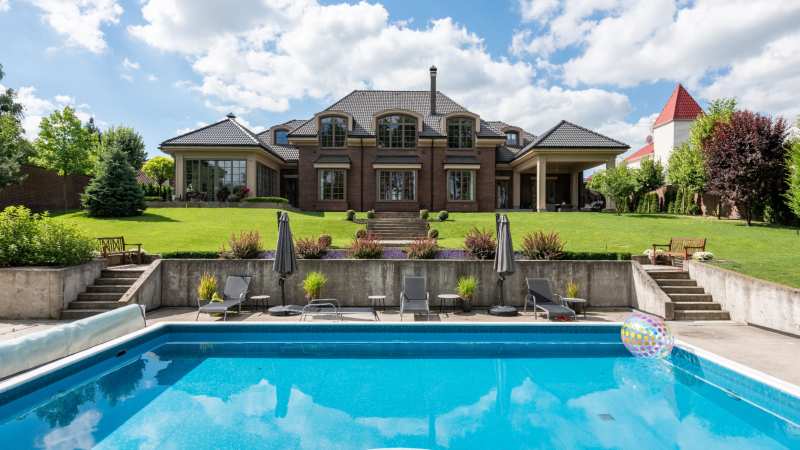
A pool you use every day isn’t the result of luck. It takes shape on paper before anyone starts digging, with orientation, access and upkeep planned around how you actually live and move between the house and water.
Start with how you live and what your block allows
Good design starts with questions about your routine rather than a catalogue of shapes. A builder should ask who will swim and how you like to host. Young children need shallow play water and clear sightlines from the kitchen. Teenagers want enough depth and room to move without crowding younger siblings.
The sun path and prevailing wind decide a lot about comfort and running costs. A north-facing waterline with open midday sun and a low windbreak on the breezy side will hold swimmable warmth weeks longer than the same shell tucked into shade behind a tall fence. That retained warmth means fewer heated hours are needed to stay comfortable. Shade in the wrong spot shortens the season in which you’ll actually use the pool.
Soil type and drainage affect what you can build and where it can sit. Reactive ground moves with moisture and needs specific engineering for both the shell and paving. Easements and underground services can rule out a corner that looked perfect during the first walk around the block. Those limits are expensive, and sometimes impossible, to fix after the concrete has been poured.
This is where custom shaping earns its keep. A standard rectangle dropped into a leftover corner often works against the sun and wind. It can also leave dead areas of paving where no one wants to sit. A pool shaped around setbacks and sightlines puts usable deck space where people naturally walk, pause and gather.
Paper comes before the dig. We map the sun and access first, then draw the water to suit the site and household.
Leave open sky on the sunny side and shield the windy side with planting or a low wall. You’ll swim earlier in spring and later into autumn without relying on extra heat. Small siting decisions like these pay you back every season.
Make the pool feel like part of the house
You should be able to see the water from the rooms you use most. A clear view from the living areas and kitchen draws you outside without making the pool feel separate. Level thresholds between the patio and deck remove the small step that can interrupt the flow. When indoor floor tones continue outside in a hard-wearing finish, the eye reads both areas as one connected space.
Coping and deck paving decide how the pool feels underfoot. Travertine and textured timber generally stay cooler and feel kinder under bare feet than dark, dense stone. Wide coping provides somewhere to sit and a secure edge to grip when getting out. Falls and surface texture must also shed water quickly so the deck doesn’t become slick.
Match grout and paving tones so the eye doesn’t stop at the door. You don’t need to use exactly the same tile inside and outside. The tones simply need to sit comfortably together in daylight and under evening lighting.
Sliding doors and a covered patio help the deck function as an outdoor room. We often see families eat outside more once the trip from kitchen to table is flat and short, with chairs and towels kept clear of the swimming route so no one has to cut through water play to reach a seat. A low wall or bench can connect the house and pool without blocking the view. Keep furniture away from the main entry so children and guests have a clear path.
Avoid crowding the water’s edge with fixed clutter. Open sightlines make supervision easier and leave space for towels, trays and other things where people naturally stop.
Shape one pool for different swimmers at once
Children and lap swimmers rarely want the same water depth. A single deep end and a single shallow end can force everyone to compromise. Grandparents may want a stable entry as well as somewhere to sit chest-deep. Zoned depths allow all of those uses to happen comfortably side by side.
A wide tanning ledge can double as a safe play shelf for toddlers. You can place loungers in ankle-deep water while children splash nearby. A deeper zone at the opposite end gives teenagers room to jump and dive where it is safe. Meanwhile, a clear, straight run along one side works for laps without the expense or space required for a separate lane.
Entry steps should sit where you naturally approach the pool from the house. A long bench along the wall gives less confident swimmers a place to rest and lets parents sit in the water. Keep the main swimming path open so games and laps do not constantly clash. Choices at this scale often decide whether the pool suits daily family life or gets in the way of it.
Size matters less than fit. A compact pool with a well-planned ledge and bench often gets more use than a large rectangle with nowhere comfortable to sit. We see this regularly on narrow blocks where available length is limited. Design around the swims you do each week and the pool is less likely to sit idle.
Don’t forget that stairs can also serve as seats. Wide steps are useful for chats and coffee while the children remain close and clearly in view.
Sort the hidden engineering so upkeep stays light
You won’t see the circulation design, but you will notice its effect on weekly upkeep. Skimmers and returns placed to suit the pool’s shape push leaves and dust towards the right capture points. Poor placement can leave debris spinning while clean water takes a short route back to the pump. Drains positioned to pull water from still corners help prevent dead spots where algae can take hold.
When water turns over properly, it stays clear with less chemical correction. You spend less time brushing surfaces and vacuuming debris each week. Pumps can run for shorter periods while achieving the same result. That is often the difference between enjoying the pool every day and facing a list of chores each weekend.
Finish choice affects both tone and grip. Pebble and quartz stand up well to the sun and produce a natural colour beneath the water. Smooth tile at the waterline wipes clean quickly and keeps the edge looking crisp. Plaster costs less initially, although it marks more quickly and needs earlier renewal. Pick a texture you like under bare feet because you will notice it during every swim.
Balanced flow reduces chemical swings. It also keeps the water kinder to eyes and pool linings during periods of heavy use.
Ask for pipe sizes and pump curves that are matched to the pool volume rather than based on guesswork. You’ll get quieter running and steadier dosing when the pool carries peak bather loads. Test swims after handover should leave the water feeling soft and clear, rather than sharp.
Work with builders who design the whole outcome
Poorly planned builds can stall when hidden limits appear late in the project. Good documents flag easements and setbacks before excavation starts. They also map drainage paths and confirm access for digging machinery. Getting those details settled early avoids retrofits that may cost more than the pool shell itself.
Safety barriers and permits need the same early attention. Fence height and gate swing must comply with local codes. Latch position and non-climb zones will be checked during inspection. Clear, complete paperwork also protects you when it is time to sell and when dealing with insurers.
This is where a design-led builder pays off. Site review and permit handling can be managed as part of one coordinated process. A builder like Pacific Pools brings that site assessment and bespoke design work together, so compliance and comfort are addressed before the dig begins. Licensed builders understand what inspectors look for and construct the pool to pass the first time.
We see fewer variations in our builds when the key decisions are made early. There is less guesswork for concreters and tilers once they arrive on site. You also retain one point of contact from the soil test through to the first swim. That calmer, more organised process shows in the finished result.
Use light and heat to stretch the day and the season
Pools often go quiet after sunset if there is no suitable lighting. Underwater lights and garden spots turn the water into an inviting evening feature. Lights within the pool define steps and changes in depth for safer night swimming. Soft garden spots around the deck keep glare under control while paths remain easy to follow.
You can eat outside late while the pool glows beside the table. It feels connected to the entertaining area rather than like a separate zone you have to walk over to. Thoughtful lighting keeps the backyard useful after work and well beyond dinner.
Heating choice can decide whether you swim for five months or nine. Heat pumps and solar loops both extend the season when they are paired with a thermal cover. Heat pumps provide steady warmth after cooler nights. Solar loops add free degrees when the days are clear.
A cover retains that warmth and reduces overnight evaporation. Choose the right mix during design so the required pipe runs and power supply are ready. Water sound and a hot soak can also encourage more regular evening use. A sheer descent and spillover spa bring movement and warmth without making the area feel cluttered.
Keep the sound quiet enough for easy conversation. A gentle background murmur is more pleasant than splashing that drowns out a chat. A spa positioned at seat height can also serve as extra deck seating during summer. Modest touches like these often add more daily value than simply increasing the pool’s size.
Don’t flood the pool area with harsh white glare. Warmer tones tend to flatter both skin and water. Dimmable zones let you create different settings for swimming and outdoor dinners.
Together, those choices turn the pool from an occasional hot-day dip into a place you can enjoy on most evenings.
Keep it clean and green without high bills
Planting around water should do more than fill space. Tall screening plants and dense hedges reduce wind while providing privacy from neighbours. Low-litter species mean less leaf matter ends up in the pool. Wide leaves near the paving cast shade that keeps deck areas more comfortable for bare feet.
Equipment choices can set your power bills for a decade. Variable-speed pumps and salt systems use less energy and require less hands-on dosing. Robotic cleaners and app controls reduce the chore list further. You can schedule pump hours for off-peak periods and check the water chemistry from your phone.
You won’t need to make daily trips outside just to adjust valves by hand. Thermal covers complete the setup by keeping heat in the water. Decisions made at the design stage can cut ongoing running costs compared with a basic equipment package.
A well-planned pool improves how buyers see the entire backyard. In warm suburbs, that functional outdoor room can help tip a sale. Buyers value everyday usability as well as appearance. Daily dips can ease stress and give children another reason to stay home. Friends can gather around the water without the need for hired venues or travel.
The staycation value adds up quickly. You’ll avoid the packing and queues that come with taking a break elsewhere. Morning laps and evening floats are easier than driving to crowded venues. You’ll cut down on weekend errands and host more often at home. Pool days can replace tickets and advance bookings. You’ll spend less on days out and gain more time together in the water.
Build for daily swims and the big parties will largely take care of themselves. When circulation, access, and upkeep are resolved on paper, the pool earns its place in your routine each day.