
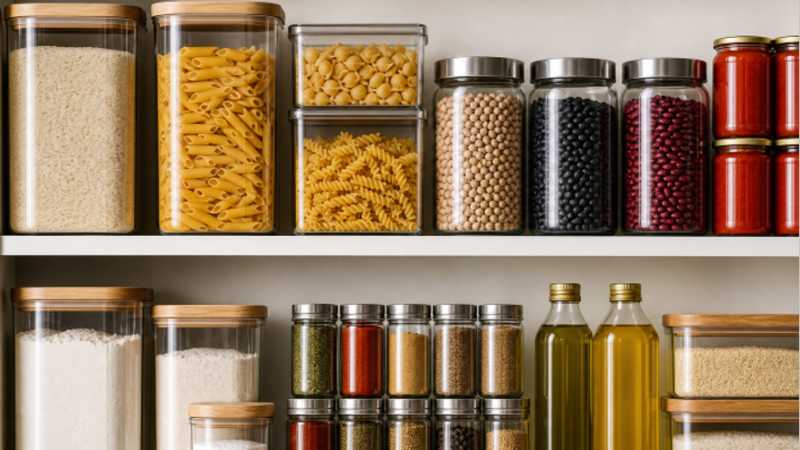
A flexible pantry helps turn ordinary ingredients into dependable meals when time is short, plans change, or a grocery trip is not practical. Rather than buying specialty foods for a single recipe, build around staples that can easily move from breakfast to dinner. Products from the Pioneer brand can fit into this approach by giving home cooks familiar baking and meal-prep options to keep on hand.
The goal is not to create a picture-perfect stockpile. It is to keep the foods your household actually enjoys, organize them so they are visible, and pair them with fresh, frozen, and leftover ingredients as needed. A small pantry that gets used is more valuable than a crowded cabinet full of forgotten purchases.
Why Pantry Cooking Works
Shelf-stable foods provide a reliable starting point for breakfast, lunch, dinner, snacks, and simple baking. Rice can be a grain bowl, a soup addition, or a side dish. Canned tomatoes can become pasta sauce, a chili base, or a quick braise. When ingredients have several possible uses, dinner does not depend on following one exact recipe.
Building a Flexible Pantry
Start With Foods That Serve More Than One Purpose
Begin with ingredients that suit multiple cooking styles: rice, pasta, oats, flour, tortillas, canned tomatoes, beans, broth, cooking oil, vinegar, spices, and dependable sauces. These basics make it easier to shift from tacos to soup, from pasta to a casserole, or from pancakes to biscuits without starting over with a new list of purchases.
Buy According to Real Habits
Choose foods based on what people in your home will truly eat, how much storage you have, and the equipment you use most. Buy a small package when trying something unfamiliar. Rotate items forward as you shop, and remember that many package dates relate to quality rather than safety. The FDA explains how food date labels can be confusing, so inspect food and follow storage directions instead of discarding it automatically.
The Five Pantry Groups
Sorting foods into a few clear groups makes it easier to see a complete meal taking shape.
- Base ingredients: Rice, pasta, oats, flour, potatoes, bread, tortillas, and other filling grains or starches.
- Protein sources: Beans, lentils, canned fish, nut butters, seeds, eggs, and any shelf-stable options your household uses.
- Flavor builders: Broth, tomatoes, oils, vinegar, sauces, herbs, spices, garlic, and onions.
- Meal extenders: Canned or frozen vegetables, breadcrumbs, baking mixes, dried fruit, and leftover cooked grains.
- Finishing ingredients: Cheese, citrus, fresh herbs, crunchy toppings, condiments, and hot sauce.
How to Plan Meals Around What You Have
Use the Base, Add, Finish Method
- Choose a base. Start with rice, pasta, toast, potatoes, oats, or tortillas.
- Add a main ingredient. Use beans, eggs, vegetables, chicken, fish, or leftovers.
- Add flavor. Reach for tomatoes, broth, seasoning, dressing, gravy, or a simple sauce.
- Finish the dish. Add acidity, cheese, herbs, crunch, or heat for contrast.
One bag of rice can support very different meals: a tomato-and-bean skillet, a broth-based soup, fried rice with frozen vegetables, or a bowl topped with a fried egg and crisp onions. The structure stays the same, but the seasonings and finishing touches keep it interesting.
Combining Fresh, Frozen, and Pantry Foods
Pantry cooking works best when it is not treated as pantry-only cooking. A fresh lemon, a bag of spinach, an onion, or a piece of fruit can bring brightness to a meal made mostly from shelf-stable foods. Frozen vegetables are equally useful because they are ready when needed and can be added directly to soups, skillets, pasta, and grain bowls.
Think of leftovers as planned ingredients. Cook extra rice for tomorrow’s soup, save roasted vegetables for a wrap, or turn remaining chicken into a quick stew. This hybrid approach gives meals the convenience of prepared staples while leaving room for seasonal produce and personal preferences.
Simple Ways to Add Flavor
A small flavor toolkit goes a long way. Salt and pepper provide a foundation, while vinegar or lemon juice can brighten rich beans, soups, and sauces. Dried herbs and spices add depth, broth adds savory character, and chili flakes or hot sauce add heat. Toasted seeds, breadcrumbs, nuts, or fried onions can supply the crunch that a soft bowl of grains or soup may need.
Often, a meal needs balance rather than more ingredients. For example, a mild bean-and-rice bowl may taste more complete with a pinch of salt, a squeeze of citrus, and a crunchy topping than with several extra seasonings.
Reducing Food Waste
Use the oldest suitable items first and keep a short list of foods that need attention. Plan one use-it-up meal each week, such as soup, tacos, pasta, or a baked dish that can absorb small amounts of vegetables, meat, cheese, or cooked grains. Store opened dry goods in sealed containers when practical, and freeze bread, herbs, cooked grains, or extra portions before they are forgotten.
Storage and Food Safety Basics
Keep dry goods in a cool, dry place away from direct sunlight, heat, and moisture. Check packages for tears, leaks, bulging cans, or other damage before using them. Label opened packages with the date, use clean, dry utensils when scooping, and follow instructions stating that a product must be refrigerated after opening.
For refrigerated leftovers and other perishable foods, use the recommended storage guidance in the cold food storage chart. It is also wise to check recall notices when you hear about a product that may be in your kitchen.
Simple Meal Frameworks to Try
One-Pot Grain Bowl
Combine cooked rice or another grain with beans, vegetables, broth, and a finishing sauce. Change the direction with tomato and chili seasoning, soy sauce and sesame seeds, or lemon and herbs.
Quick Soup or Stew
Simmer broth, canned tomatoes, beans, vegetables, and leftover meat or poultry. Smaller pieces cook and soften more quickly, while larger pieces create a heartier texture.
Fast Breakfast Plate
Pair eggs or yogurt with toast, oats, fruit, or a simple baked item. Pantry basics can support sweet and savory breakfasts, as well as easy snacks.
Simple Baking Mix-Up
Keep flour, leavening ingredients, and a few reliable mixes available for pancakes, biscuits, muffins, or quick breads. Fresh fruit, cheese, herbs, or spices can change the result without adding much work.
Common Pantry Planning Mistakes
- Buying foods that sound useful but do not match household tastes.
- Choosing too many single-purpose ingredients.
- Hiding items behind other items without a visible system.
- Planning meals that need several specialty purchases.
- Failing to replace staples after using the last portion.
- Treating pantry cooking as a rigid rule instead of a flexible tool.
A 15-Minute Pantry Check
- Remove damaged or unusable items.
- Move older products to the front.
- Group similar foods together.
- Write down three meals you can make now.
- Add only the missing ingredients to the next shopping list.
- Choose one item to use before buying another.
Conclusion
A well-planned pantry does not need to be large or expensive. It needs to fit your routines. Keep flexible staples, add fresh and frozen ingredients when they make sense, and use a few dependable flavor builders to make meals feel complete. The best pantry system is simple enough to use on a busy evening and adaptable enough to handle whatever the week brings.