
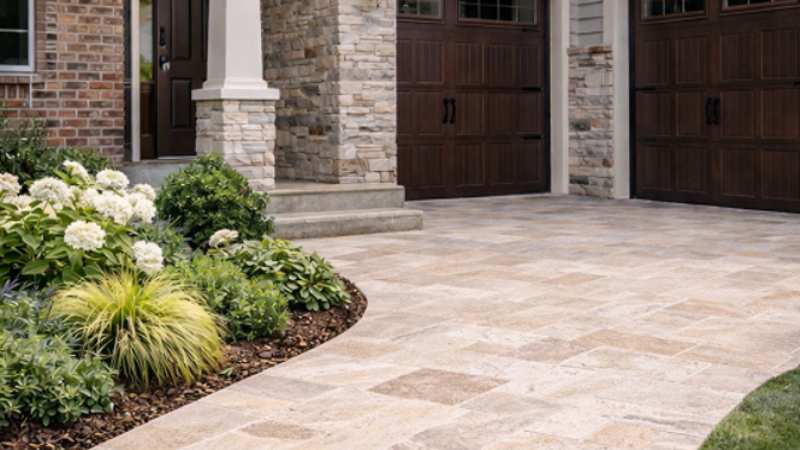
Mixing material doesn’t have to be confusing. This blog guides you through choosing the right base, layering textures and balancing colours to create a cohesive exterior. It highlights practical, timeless design choices that elevate curb appeal and stand the test of time. Ever walked past a home and felt that something was different about this home? Well, did you know it’s not always the size or colour? More often, it’s the smart mix of materials working together in harmony. One texture adds warmth, another brings structure, and suddenly the exterior feels layered, balanced and inviting. Mixing materials isn’t about doing more; it’s about doing it right. When stone, wood, metal and concrete are paired smartly, they tell a story before you even step inside. This guide breaks it down, helping you create an exterior that feels timeless and uniquely yours.
Why Mixing Materials Works Well
A single material can look flat, no matter how premium it is. Mixing materials is always the better choice when you want to add character, depth and contrast to your home’s exterior. It creates visual interest while still allowing the design to feel cohesive. The key is to balance; too many materials can feel chaotic, but the right combination makes the exterior feel well-designed.
Also, when you use a mix of materials, it tends to age better. Instead of relying on one trend, the design feels versatile and grounded, adapting beautifully to the surrounding landscape.
Start with a Strong Base Material
Every well-designed exterior needs a foundation. This is the material that covers the largest surface area, such as the main facade or boundary walls. Natural stone or brick often works best as base materials because they are timeless and neutral. As an extension of your home’s design, Travertine outdoor pavers can be used for areas such as patios and pathways where they visually connect with the outside. By using soft tones and natural textures, they create a seamless flow between indoors and outdoors.
Add Contrast with a Secondary Texture
Once the base is set, introduce contrast. This is where mixing materials really shines. A thoughtfully placed wood cladding, metal screen, concrete finish or stone features can add personality.
Contrast doesn’t necessarily mean bold colours. You can pair smooth renders with rough stone or matte finishes with lightly textured surfaces. To create natural visual layers, it is necessary to create layers that flow seamlessly from one element to another.
Don’t Forget the Driveway and Entryway
The driveway is often overlooked, yet it plays a major role in first impressions. It should complement the home exterior rather than compete with it. It is important to choose materials that feel sturdy and visually pleasing with the rest of the design. A Cobblestone for driveway option adds character and texture. Add that old-world charm to your space that European-inspired feel. You can pair it well with cleaner materials to create a contrast that doesn’t feel outdated.
Keep the Colour Palette Cohesive
When mixing materials, colour harmony is just as important as texture. Stick to a controlled palette of two to three main tones. This keeps the exterior from feeling busy and allows materials to shine in their own way. Neutral shades like beige, grey, charcoal and soft browns work well together. Natural materials exhibit subtle variations, adding interest without excessive colours.
Balance Natural and Modern Elements
Modern structures and natural warmth make for an effective exterior design. Even clean architectural lines can seem harsh on their own, but when softened with stone, timber or textured paving, the effect is welcoming and refined. For example, sleek metal or concrete features paired with a cobblestone driveway or stone accents create a balance between contemporary and classic. This approach ensures the home feels stylish yet approachable.
Think Long-term, Not Just Trends
It can be tempting to follow current design trends, but the best mixed-material exteriors are those that endure over time. Choose materials that age gracefully and require minimal maintenance. Natural finishes often improve with age, developing character instead of appearing worn out. This approach gives your exterior a lived-in and authentic feel, rather than making it look overly polished or driven by fleeting trends.
Final Thoughts
Mixing materials on your home’s exterior doesn’t have to be complicated. It is important to start with a strong base, layer in contrast, keep colours cohesive and think about the overall balance. Anything, too much or too little, can make the space look weird. When executed well, mixed materials can create an exterior that feels inviting, intentional and distinctly yours. By focusing on texture, proportion and flow, you can create an exterior that looks stunning today and will continue to impress for years to come.