
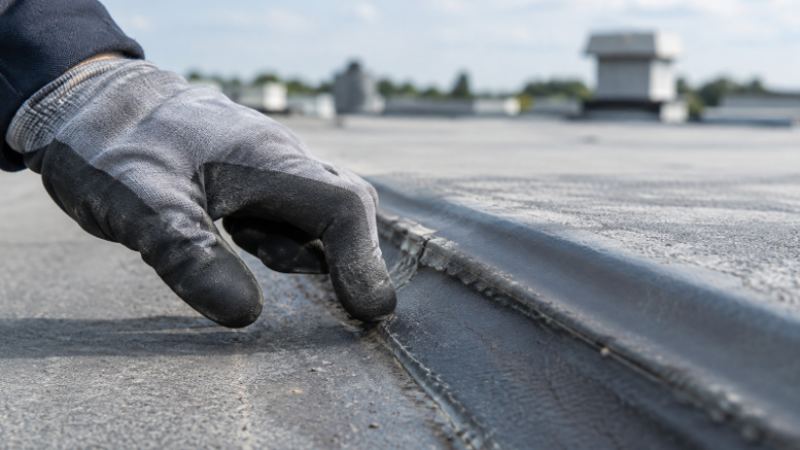
Commercial roofs rarely fail all at once. Small openings at seams, flashing, drains, or equipment curbs can allow water into the roofing assembly before a ceiling stain or active leak becomes visible inside. A clear care plan helps building owners identify concerns earlier, protect day-to-day operations, and make repair decisions with better information.
For property owners in the Kansas City region, commercial roofing inspection guidance from Delta Innovative Services provides a useful example of what a detailed evaluation entails. The company’s inspection service covers roof examinations, moisture investigations, core sampling, roof audits, and repair planning, providing facility teams with practical context for evaluating complex commercial roof systems.
Why Commercial Roof Care Needs a Clear Plan
A roof problem can affect much more than the roof itself. Water intrusion may threaten inventory, electrical equipment, insulation, tenant areas, production spaces, and employee safety. Even when no leak is apparent, recurring ponding, damaged edge details, or worn sealant can signal conditions that warrant attention.
A fixed schedule is a useful starting point, but it should not be the only rule. The right timing depends on local weather, the roof’s age and repair history, the type of building below it, rooftop activity, drainage performance, and warranty obligations. A newer roof with limited access needs a different plan than an older warehouse roof that supports frequent HVAC service.
The Four Factors That Shape Inspection Timing
1. Local Weather Exposure
Hail, high winds, heavy rain, snow, ice, intense heat, and repeated freeze-thaw cycles can all affect a commercial roof. In the Midwest, severe thunderstorms and winter weather make post-event reviews especially valuable. A roof may appear sound from ground level while seams, flashing, fasteners, or insulation have sustained damage.
Photos from accessible roof areas can help preserve a record after a storm, while aerial methods can provide another view of large or difficult-to-access surfaces. Drone inspection capabilities documented by the U.S. Department of Energy can support visual assessments in industrial settings. Aerial images do not replace a close roof examination, but they can help identify areas that need closer review.
2. Roof Age and Condition
Age alone does not determine whether a roof needs replacement. A roof with several years of service may remain a strong candidate for maintenance if its membrane, insulation, drainage, and details are performing well. Conversely, a younger roof with repeated leaks, poor drainage, or workmanship concerns may require closer monitoring.
Review installation records, warranty documents, past inspection reports, and repair invoices together. Repeated work in the same location can reveal a pattern, such as movement around a penetration, a flashing issue, or water collecting near a drain. Open seams, brittle sealant, loose flashing, and persistent ponding should increase the priority of follow-up.
3. Building Use and Rooftop Activity
Building use changes the consequences of a roof leak. Warehouses may contain stored goods, retail properties may have occupied sales floors, schools may need to avoid disruption, and manufacturing sites may protect sensitive equipment or processes. The more serious the operational impact, the stronger the case for regular documentation and quick follow-up.
Rooftop foot traffic also matters. HVAC technicians, solar contractors, sign installers, electricians, and other trades can unintentionally disturb walk pads, sealants, or flashing. Schedule an added roof check after major rooftop work, especially when new penetrations, equipment supports, or access routes are involved.
4. Drainage and Water Management
Drains, scuppers, gutters, downspouts, and roof slopes should be reviewed during every planned inspection. Leaves, sediment, ice, windblown debris, and construction materials can slow drainage. Standing water can place added stress on roof materials and can make small defects more consequential over time.
Drainage also connects roof maintenance with energy planning. The EPA explains that cool roofs absorb and transfer less heat than more conventional roof surfaces, while noting that periodic maintenance helps low-slope cool roofs retain their reflectance. Keeping the roof clean and drainage paths clear supports a broader maintenance strategy.
A Practical 2026 Inspection Calendar
Spring Review
- Look for effects of snow, ice, wind, and freeze-thaw movement.
- Clear drains and inspect areas where water collects during winter.
- Check ceilings, mechanical rooms, insulation, and stored materials for signs of moisture.
Summer Review
- Review membrane surfaces for heat-related wear, punctures, shrinkage, and failed sealants.
- Inspect service routes and areas around rooftop equipment before heavy storm activity.
- Confirm that equipment work has not disturbed flashing or walk pads.
Fall Review
- Remove debris from drains, gutters, and scuppers before colder weather arrives.
- Complete planned repairs while the roof access and material application conditions are more favorable.
- Document outstanding items that need monitoring through winter.
Post-Storm Review
Arrange a review after major hail, tornadoes, strong straight-line winds, heavy snow, or ice events. Address immediate hazards and, when possible, prevent further water entry. Photograph visible conditions before cleanup or temporary repairs change the evidence, then record the event date, affected areas, and actions taken.
What a Thorough Commercial Roof Review Should Cover
- The roof membrane or panels, seams, surface wear, and visible punctures.
- Flashing at walls, curbs, vents, skylights, edges, and other penetrations.
- Drains, scuppers, gutters, downspouts, and low areas where water collects.
- Rooftop equipment, access paths, walk pads, and potential trade damage.
- Perimeter details, coping, fasteners, sealants, and edge securement.
- Interior areas near known leaks, including ceilings, insulation, and decking, where accessible.
- Warranty requirements, maintenance history, photographs, repair priorities, and follow-up dates.
When Advanced Testing May Be Useful
A visual review cannot always confirm whether moisture is trapped below the roof surface. Infrared scans and moisture meters can help identify areas that warrant further investigation. Core samples may reveal the condition of roofing layers and insulation, while adhesion tests and deck evaluations can inform planning for repair, restoration, or replacement.
Because core sampling removes a small section of the roof assembly, it should be planned carefully and properly repaired afterward. Testing is most useful when it answers a decision-making question, such as whether a concern is isolated or widespread.
How to Turn Findings Into a Budget
Separate immediate safety concerns from routine maintenance and long-range capital planning. Rank findings as urgent, near-term, or monitor-only, then track repeat repairs by location. This approach helps reveal patterns instead of treating every leak as an unrelated event.
Compare expected repair costs with documented condition, warranty status, drainage performance, and estimated remaining service life. Reserving funds for planned work can reduce the disruption and uncertainty that often come with emergency repairs. A roof care plan built around real conditions gives owners a clearer path to protect their buildings and keep operations moving.