
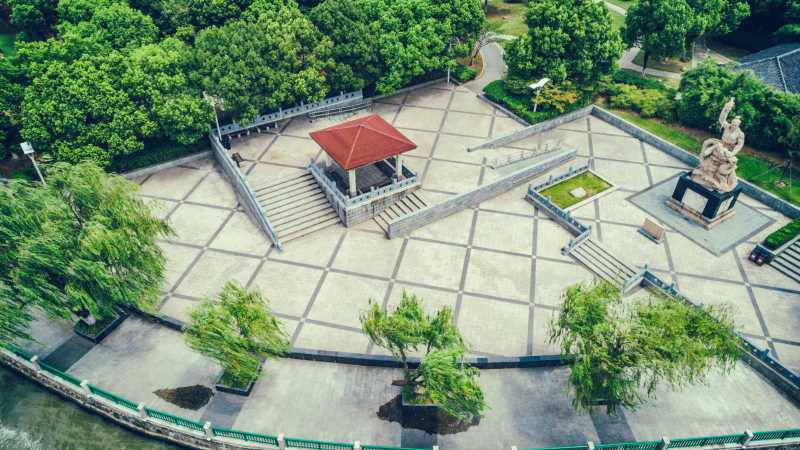
Creating an outdoor space that is both visually appealing and highly functional does not require complex planning or excessive expense. With the right approach, we can transform any yard into a balanced, elegant, and practical landscape that enhances daily living. By combining smart layout strategies, suitable plant selection, and efficient use of space, we achieve a seamless blend of beauty and usability.
Understanding the Foundations of Landscape Design
Every successful landscape begins with a clear structure. We focus on proportion, balance, and flow to ensure the space feels cohesive. A well-designed landscape should guide movement naturally while maintaining visual harmony.
We divide the area into distinct zones such as relaxation areas, pathways, greenery sections, and utility spaces. This structured approach ensures that each element serves a purpose while contributing to the overall design.
Careful planning of scale and symmetry allows us to avoid overcrowding or underutilization. Even small gardens can feel spacious when elements are proportionally arranged.
Choosing the Right Layout for Maximum Efficiency
A practical layout is the backbone of functional landscaping. We prioritize clear pathways, accessible seating areas, and open movement zones. Straight pathways offer a modern and clean look, while curved paths create a more natural and inviting atmosphere.
We incorporate multi-purpose areas that can serve different functions throughout the day. For example, a patio can act as both a dining space and a relaxation zone. This ensures we maximize every square foot without compromising style.
Zoning the landscape also helps in organizing the design effectively. We separate active spaces (like play areas) from quiet zones (like reading corners) to maintain balance.
Selecting Plants That Enhance Both Beauty and Utility
Plants are essential for bringing life into any landscape. We choose low-maintenance, climate-appropriate plants to ensure long-term sustainability. Native plants are especially valuable as they require less water and care.
We focus on layering plants in three levels:
- Ground cover for texture and soil protection
- Mid-height plants for depth and color
- Trees or tall shrubs for structure and shade
This layered approach creates a rich, dynamic appearance while improving functionality. Shade trees, for instance, not only enhance aesthetics but also reduce heat and improve comfort.
We also incorporate edible plants like herbs and vegetables to add practical value to the landscape.
Incorporating Hardscape Elements for Structure
Hardscaping provides the framework that holds the entire design together. We integrate features such as stone pathways, wooden decks, patios, and retaining walls to create definition and durability.
Materials play a crucial role in achieving the desired style. Natural stone offers a timeless look, while concrete and metal elements create a modern aesthetic. We ensure that materials complement the home’s architecture for a unified appearance.
Functional hardscape features like seating walls, fire pits, and outdoor kitchens enhance usability while maintaining visual appeal.
Designing Outdoor Living Spaces for Comfort
Outdoor living areas extend the functionality of the home. We design spaces that encourage relaxation and social interaction. Comfortable seating, shaded areas, and proper lighting are essential components.
We incorporate pergolas, umbrellas, or shade sails to protect against harsh sunlight. These elements not only improve comfort but also add architectural interest.
Adding weather-resistant furniture ensures durability and ease of maintenance. Arranging seating in conversational layouts enhances usability and creates a welcoming atmosphere.
Lighting for Safety and Aesthetic Appeal
Lighting elevates a landscape from simple to stunning. We strategically place path lights, accent lights, and ambient lighting to highlight key features and ensure safety.
Soft lighting along pathways improves visibility, while spotlights can be used to emphasize trees, sculptures, or architectural elements. We avoid excessive brightness and focus on creating a warm, inviting glow.
Energy-efficient options such as solar lights and LED fixtures reduce energy consumption while maintaining effectiveness.
Water Features for a Calming Effect
Water elements introduce a sense of tranquility and elegance. We incorporate features like fountains, small ponds, or cascading waterfalls to create a soothing environment.
Even compact spaces can benefit from a simple water feature. The sound of flowing water enhances relaxation and masks unwanted background noise.
We ensure proper placement and scale so that the feature complements the overall design rather than overwhelming it.
Maximizing Small Spaces with Smart Design
Limited space does not restrict creativity. We utilize vertical gardening, compact furniture, and multi-functional features to make small landscapes highly efficient.
Wall-mounted planters, trellises, and hanging pots let us add greenery without taking up ground space. Folding or built-in seating helps maintain openness while providing functionality.
Using mirrors, light colors, and strategic plant placement creates an illusion of depth, making the area appear larger than it is.
Sustainable Landscaping for Long-Term Benefits
Sustainability plays a vital role in modern landscape design. We focus on water conservation, eco-friendly materials, and efficient irrigation systems.
Drip irrigation systems deliver water directly to plant roots, reducing waste. Rainwater harvesting systems further enhance efficiency.
We also minimize lawn areas and replace them with drought-resistant plants or decorative gravel, reducing maintenance requirements while maintaining visual appeal.
Seasonal Planning for Year-Round Beauty
A well-designed landscape remains attractive throughout the year. We select plants that bloom in different seasons to ensure continuous color and interest.
Evergreen plants provide structure during colder months, while seasonal flowers add vibrancy during warmer periods. This approach ensures the landscape never feels dull or empty.
We also plan for seasonal functionality, such as shaded areas for summer and cozy fire features for winter.
Maintaining a Clean and Organized Landscape
Regular maintenance preserves the beauty and functionality of the landscape. We focus on pruning, cleaning pathways, and managing plant growth to keep the design intact.
Mulching helps retain moisture and prevent weed growth, while proper drainage systems protect the landscape from water damage.
A well-maintained landscape not only looks appealing but also increases property value and usability.
Blending Style with Practical Functionality
The ultimate goal of landscape design is to achieve harmony between style and practicality. Each element should have a clear function while enhancing the overall visual appeal.
We ensure that decorative features do not interfere with usability. Pathways remain clear, seating areas remain accessible, and plant placement supports both beauty and function.
By focusing on simplicity, efficiency, and thoughtful design, we create landscapes that are both stunning and highly functional.
Conclusion: Achieving Effortless Landscape Excellence
An easy landscape design does not mean compromising on quality or elegance. With careful planning, smart choices, and attention to detail, we can create outdoor spaces that are visually captivating and fully functional.
By combining structured layouts, suitable plants, durable materials, and sustainable practices, we ensure a landscape that enhances everyday living while requiring minimal effort to maintain.