
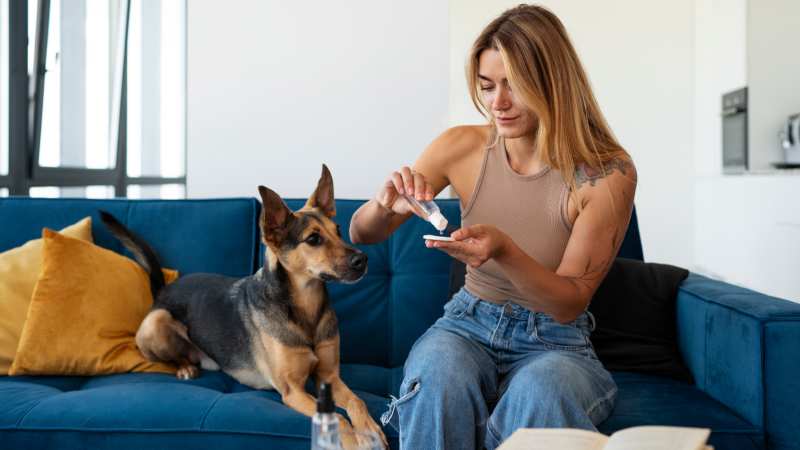
A healthy gut keeps your dog active, happy, and full of life. When your pet’s digestion works well, it supports strong immunity and steady energy. If your dog starts to act tired, loses interest in food, or has stomach problems, it may be time to pay closer attention. Small changes in daily habits can reveal early signs of trouble.
A dog’s gut holds many good bacteria that help with digestion. When these bacteria fall out of balance, it can affect your pet’s comfort and health. Using canine probiotics can help restore this balance and improve digestion. This article will explain the signs that show your dog might need probiotic support, what causes gut imbalance, and how you can help your pet stay healthy.
Changes in Appetite or Eating Habits
One clear sign of poor gut health is a sudden change in appetite. Your dog might refuse food or eat less than usual. Some dogs start to chew slowly or leave food in the bowl. Others might eat too quickly or crave more than normal. These shifts can mean the stomach is not digesting food as it should.
Watch how your dog behaves after meals. If your pet seems sleepy or uncomfortable, it may signal a problem with digestion. A healthy dog usually shows excitement at mealtime. Loss of that excitement can be an early warning that the gut needs help.
Frequent Stomach Upsets
Upset stomachs can happen sometimes, but frequent gas, bloating, or vomiting can mean something deeper. When the good and bad bacteria in the gut lose balance, the body struggles to process food. This might result in discomfort or nausea.
You may see your dog licking floors or eating grass to feel better. These habits can be a sign of irritation in the stomach. A balanced gut helps food move smoothly through the body. If your dog faces repeated stomach issues, probiotics may help bring comfort back.
Irregular or Soft Stools
Your dog’s stool gives clear clues about digestive health. Normal stool is firm, moist, and easy to clean. If you notice soft, watery, or sticky stools, your dog’s gut might be having trouble. Loose stool shows that nutrients are not being absorbed properly.
Constipation can also mean digestive imbalance. When food stays in the system too long, it causes strain and pain. If irregular stool continues for several days, it is best to speak with a veterinarian. If traveling to a clinic is difficult, you can even consult a mobile vet in Mesa, AZ, for convenient, at-home care.Restoring good bacteria can help bring the system back to normal.
Skin and Coat Changes
The condition of your dog’s skin and coat can show what is happening inside the body. A healthy gut supports smooth skin and shiny fur. When the gut becomes unbalanced, the skin can turn dry or itchy. You might see redness or patches of missing hair.
If regular grooming does not help, the issue may come from inside. A better diet or probiotics can improve the skin by calming internal irritation. Healthy digestion supports a strong coat, clear skin, and a happy dog.
Weak Immune Health
Much of a dog’s immune system lives in the gut. When the gut weakens, your pet’s natural defense drops. You may notice more allergies or infections, such as ear irritation. A weak immune system also slows recovery from minor illnesses.
Feeding your dog a balanced diet helps the gut build strength. Fresh food with quality ingredients supports the good bacteria in the intestines. Adding canine probiotics can help rebuild balance in the gut, which may lead to stronger resistance against sickness.
Main Causes of Gut Problems
Many things can disturb your dog’s digestive balance. Knowing what triggers these problems helps prevent future trouble.
- Antibiotics: These medicines kill harmful bacteria but can remove good ones too.
- Diet changes: Switching food suddenly can upset digestion.
- Low-quality food: Artificial flavors or fillers can harm gut health.
- Stress: Loud sounds or new surroundings can upset the stomach.
- Age: Older dogs may lose natural bacteria that aid digestion.
Avoiding these causes can help protect your dog’s health. Good care keeps the digestive system steady and strong.
The Role of Probiotics in Gut Health
Probiotics made for dogs help restore natural bacteria in the digestive system. These bacteria support better digestion, reduce gas, and improve nutrient use. A strong gut means fewer stomach troubles and better overall comfort.
Canine probiotics also help protect the immune system. When the gut works properly, it fights harmful bacteria more effectively. This reduces the risk of allergies and keeps your dog energetic. Before choosing a probiotic, speak with your vet to find one that suits your pet’s size and diet. A proper dose can make a real difference in your dog’s long-term health.
A dog’s gut affects its mood, coat, and overall health. Small warning signs like loss of appetite or soft stool should not be ignored. Good nutrition, regular exercise, and proper probiotic support can make a big difference. With careful attention and timely action, you can help your dog stay strong, healthy, and full of life.