
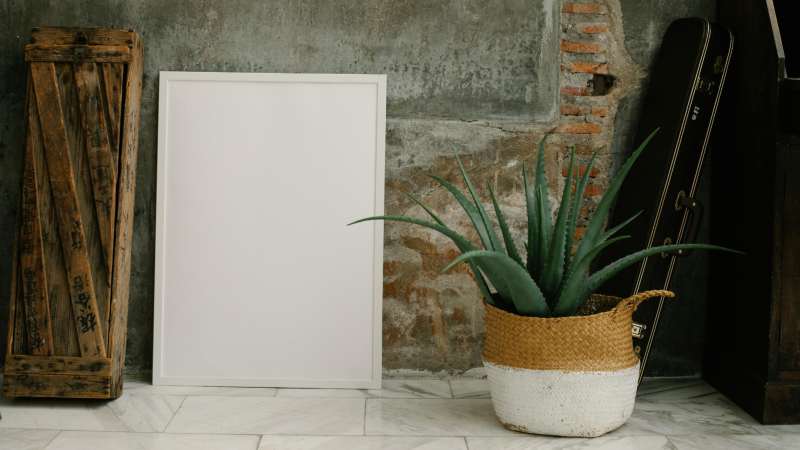
Industrial style keeps its hold on people for one simple reason: it doesn’t try to hide anything. The materials are what they are, such as brick that’s been there a while, steel that shows its age, and lines that don’t hide. That directness gives a room immediate substance. Homeowners still reach for it in 2026 because it delivers character that feels earned rather than added on.
The current take is more careful than before: focus on materials that already look comfortable being used, skip anything too polished or pretend-vintage. The ongoing test is straightforward: add just enough rough, tactile detail to draw attention, but always make sure the space still feels like a normal, comfortable place to live every single day.
Recent projects featured on platforms such as Houzz show a consistent pattern: wood, stone, and metal used together. Oak cabinets paired with darker handles. Quartz worktops balanced with brushed brass fixtures. Neutral walls outlined with slim black frames. The look feels structured.
Building the Foundation with Structural Elements
Projects almost always kick off with the big, fixed pieces. Exposed brick and concrete walls still pull strong reactions, but slapping them on every wall usually makes everyday homes feel too heavy.
Target one solid wall, such as the main living room stretch or the kitchen backsplash, and you get that signature loft openness right away without choking the floor plan. Pair it with level concrete flooring or sections of reclaimed wood; the shift cuts the edge off the roughness fast. The designs that land best today mix those tougher surfaces with warmer ones on purpose, matte black pulls laid against wood that shows thick, honest grain, or stone finished just enough to take light gently instead of throwing it back hard.
Getting the Lighting Right

Lighting decides if the whole thing works or turns cold. Big, plain pendants such as metal cages or bare Edison bulbs throw a soft, even warmth that takes the chill out of steel and brick almost instantly.
In 2026, layering isn’t optional: task lights such as spotlights or under-cabinet strips handle the practical jobs, while dimmable ceiling or wall fixtures let the mood slide from bright and active in daylight to quiet and easy after dark. Those old warehouse fluorescent bars are long gone from home settings. People pick lights that echo traditional workshop pieces or go for sleeker black and gold versions that keep the industrial roots but actually belong in a house.
Choosing Functional, Lasting Furniture
Furniture has to earn its place through usefulness and toughness. Pieces with straightforward metal frames, such as narrow steel side tables, leather chairs that already carry creases and marks, carry the no-frills backbone of the style.
Add reclaimed wood wherever it fits: a solid coffee table, wall shelves, and a plain bench. That brings natural warmth and keeps the room from feeling remote or too severe. Sustainability weighs heavily on decisions now; people go for repurposed wood and metal because those options hold up for years and cut down on new resource use. It matches the larger push toward homes meant to last decades, where what the materials actually are and where they came from matter more than ever.
Layering Textures for Balance
Textures keep everything from going flat. Balance the hard metals and concretes with thick wool rugs that feel pleasant to walk on, loose linen curtains that hang naturally, or velvet cushions in deeper, serious colours, such as burgundy close to deep wine, full forest green, or navy that’s quiet but weighty. Those softer pieces sit exactly right against the harder ones.
Leave beams or ductwork exposed when they contribute real character, then dial them back with a couple of trailing plants, a neat cluster of framed photos or art, or shelves stocked with books, pottery, and items people actually pick up and use. The room starts to feel put together piece by piece, comfortable, open to daily life, nothing forced or stiff.
Sourcing Authentic Industrial Accents
True industrial details rarely come straight off a store shelf. Standard factory pieces tend to lack real weight, proper surface feel, or believable age. Designers regularly contact nearby specialists, including metal suppliers midlands, when they need raw steel for custom shelving, made-to-fit frames, or key standout pieces. That route produces items with solid mass, patina that develops naturally from handling and years, and a presence that mass production almost never hits, making a clear, visible difference in the completed room.
Keeping the Colour Palette Restrained
Colours stay held back in 2026 to let the materials lead. Base everything on warm greys, low-key charcoals, and natural taupes, adding darker notes only where contrast actually helps. Strong, bright colours almost never fit; instead, let real changes, rust appearing on exposed metal, soft brass warming over time, add the subtle shifts. Keeping things this controlled makes the whole look stay fresh and workable year after year.
The Bottom Line
When people handle industrial touches with real thought, the character lasts. Pick materials that stand up to time, set accents where they serve a purpose, and add warmth through smart lighting, soft fabrics, and objects that carry personal meaning. What you end up with is a home that feels strong and settled yet still open, practical, and easy to live in, perfect for regular days as the style keeps making small, sensible adjustments.