
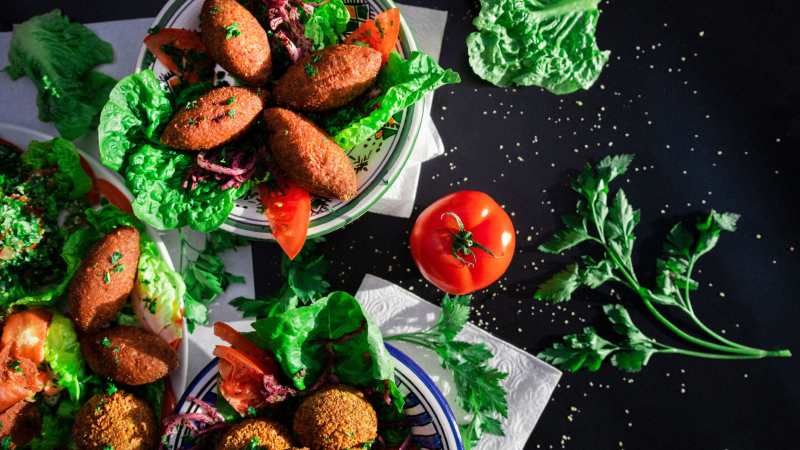
Snacking can be a convenient and enjoyable part of everyday life. Whether you need something between work meetings, a quick bite before exercise, or a satisfying afternoon treat, the right snack can help you manage hunger and add variety to your daily diet. From fresh fruit and crunchy vegetables to homemade energy bites and flavorful international treats, there are countless options to explore.
However, choosing snacks thoughtfully is important. Some packaged products contain large amounts of added sugar, sodium, or saturated fat, while other options provide useful nutrients, fiber, protein, and healthy fats. Knowing how these options differ can help you choose snacks that match your taste, budget, and dietary requirements.
The idea behind jalbitesnacks best snacks justalittlebite is to explore convenient, flavorful, and creative snack options for different lifestyles. Whether you prefer homemade treats, nutritious combinations, plant-based foods, or convenient store-bought products, this guide offers practical ideas to make snacking more enjoyable.
1. Understanding the Role of Snacks in a Balanced Diet
Snacks can complement regular meals by helping you feel satisfied between breakfast, lunch, and dinner. Although not everyone needs to snack every day, a well-chosen snack can be useful when meals are several hours apart or when your activity level increases your energy needs.
Benefits of Smart Snacking
Thoughtful snack choices can provide several benefits:
- Help manage hunger: A satisfying snack may make long gaps between meals more comfortable.
- Provide essential nutrients: Fruit, yogurt, nuts, and vegetables contribute vitamins, minerals, protein, and fiber.
- Support active lifestyles: Snacks can provide energy before or after physical activity.
- Add dietary variety: Small meals and snacks offer opportunities to include different food groups.
- Improve convenience: Prepared snacks can make busy schedules easier to manage.
Snacking should depend on your hunger, routine, and nutritional requirements rather than a fixed rule about how often everyone should eat.
2. What Makes a Snack Nutritious?
A nutritious snack provides useful nutrients while satisfying your appetite. The best combination depends on the food itself, your dietary preferences, and how much energy you need.
Include Protein
Protein helps maintain body tissues and supports muscle function. Foods such as eggs, yogurt, cheese, nuts, seeds, beans, and hummus can contribute protein to snacks.
Combining plain yogurt with fresh fruit provides an easy, nutritious snack containing protein, carbohydrates, and essential nutrients.
Choose Fiber-Rich Foods
Fiber supports digestive health and can help make snacks more satisfying. Fresh fruit, vegetables, whole-grain crackers, oats, chickpeas, and nuts are useful sources.
Apple slices, carrot sticks, or whole-grain toast can be simple additions to a balanced snack routine.
Add Healthy Fats
Foods containing unsaturated fats, including almonds, walnuts, seeds, and avocados, can contribute to a satisfying snack. Because nuts and seeds are energy-dense, choose portions that suit your appetite and needs.
Limit Excess Added Sugar and Sodium
Packaged snacks can be convenient, but their nutritional content varies. Check labels for added sugars, sodium, saturated fat, and serving sizes when comparing products.
There is no need to avoid every sweet or salty snack. Instead, aim for an overall eating pattern that includes a variety of nutritious foods.
3. Quick and Easy Snack Ideas for Busy Days
When you’re short on time, easy snack combinations offer a convenient solution with minimal preparation.
Apple Slices with Peanut Butter
Slice an apple and serve it with a small portion of peanut butter. The fruit provides carbohydrates and fiber, while peanut butter contributes fat and some protein.
Choose peanut butter that suits your preferences, checking the ingredient list if you want to limit added sugar or salt.
Yogurt with Fruit and Oats
Combine plain yogurt with fresh berries, banana slices, and a spoonful of oats. This snack offers a mixture of textures and nutrients while allowing plenty of flexibility.
You can prepare it in a small container for work or school.
Hummus with Vegetable Sticks
Serve hummus with sliced carrots, cucumbers, bell peppers, or celery. This combination provides a convenient way to enjoy vegetables alongside a chickpea-based dip.
Adding whole-grain crackers or small pieces of flatbread can make this snack more filling and satisfying.
Homemade Trail Mix
Combine unsalted nuts, seeds, and a modest amount of dried fruit to create a portable snack. You can adjust the ingredients according to taste and budget.
Prepare individual portions in advance to make packing easier.
4. Snacks That Support an Active Lifestyle
People who exercise regularly may find snacks useful before or after physical activity. The most suitable option depends on exercise intensity, duration, timing, and individual tolerance.
Before Exercise
Carbohydrate-rich foods can provide readily available energy. A banana, a slice of toast, or a small bowl of oats may work well before a workout.
Choose an amount that feels comfortable and allow time for digestion when needed.
After Exercise
A snack containing both carbohydrates and protein can help replenish energy and support muscle recovery.
Adding whole-grain crackers or small pieces of flatbread can make this snack more filling and satisfying.
Not every workout requires a special snack. Regular meals may provide sufficient nourishment, depending on your activity and overall diet.
5. Creative Homemade Snack Recipes
Preparing snacks at home lets you explore different flavors, customize ingredients, and control portion sizes to suit your preferences.
Baked Sweet Potato Wedges
Wash and cut a sweet potato into evenly sized wedges. Toss them with a small amount of olive oil, paprika, and black pepper.
Arrange the wedges on a baking tray and roast at approximately 400°F (200°C) until tender inside and lightly browned outside, turning them as needed.
Serve with plain yogurt dip or hummus for additional flavor.
No-Bake Oat Energy Bites
Combine rolled oats, peanut butter, and a small amount of honey in a bowl. Add ground flaxseed, cinnamon, or chopped nuts if desired.
Mix until the ingredients hold together, shape into small balls, and refrigerate until firm. Store them in a covered container in the refrigerator.
These bites are convenient for busy days, although portion sizes matter because oats, nut butter, and other additions can make them energy-dense.
Homemade Seasoned Popcorn
Prepare plain popcorn using an appropriate stovetop method or an air popper. Add a small amount of olive oil, then season with paprika, garlic powder, black pepper, or dried herbs.
Popcorn made with modest amounts of added fat and salt can be a satisfying whole-grain snack.
Mini Vegetable Wraps
Spread hummus over a small whole-grain tortilla. Add shredded carrots, cucumber, lettuce, and thinly sliced bell peppers.
Roll the tortilla tightly and cut it into smaller portions. These wraps are easy to prepare ahead and can be adapted with beans, cheese, or tofu.
6. Explore Snacks from Different Cultures
Food traditions around the world offer inspiration for adding variety to your everyday snacks. Exploring different cuisines can introduce new ingredients, flavors, and preparation techniques.
Japanese-Inspired Snacks
Rice crackers and roasted seaweed are familiar snack options in Japanese food culture. Their nutritional content varies, so check product labels for sodium and other ingredients.
Indian Snack Ideas
Roasted chickpeas, spiced nuts, and homemade vegetable chaat offer flavorful alternatives to heavily processed snacks. Chickpeas can be seasoned with cumin, paprika, or other spices and roasted until crisp.
For a fresher option, combine chopped cucumber, tomatoes, chickpeas, lemon juice, and fresh coriander.
Mexican-Inspired Snacks
Fresh fruit with lime juice provides a refreshing combination. Depending on your preferences, you can add a little chili powder for a sweet, tangy, and spicy flavor.
Salsa served with baked tortilla chips is another option for casual gatherings.
Mediterranean-Inspired Snacks
Try olives, hummus, whole-grain bread, cucumber slices, or small portions of cheese. These ingredients can be combined into a simple snack plate with different textures and flavors.
Exploring global food traditions can make everyday snacking more interesting while encouraging appreciation for different culinary cultures.
7. Choosing Healthier Store-Bought Snacks
There will be times when preparing food at home is impractical. Store-bought snacks can still fit into a balanced diet when chosen thoughtfully.
Read Nutrition Labels
Compare similar products and check their serving sizes, added sugars, sodium, saturated fat, and fiber content.
A product marketed as natural, high-protein, or low-fat is not automatically the best choice. The full ingredient list and nutrition information provide a clearer picture.
Consider Convenient Options
Useful choices may include:
- Plain or lightly salted nuts
- Whole-grain crackers
- Unsweetened yogurt
- Roasted chickpeas
- Fresh or packaged fruit
- Cheese portions
- Lower-sugar oatmeal cups
Individual needs and preferences vary, so choose options that fit your dietary requirements and budget.
Keep Convenience in Perspective
Packaged snacks are not inherently unhealthy, just as homemade snacks are not automatically nutritious. Ingredients, preparation methods, portion sizes, and overall dietary patterns all matter.
The goal is to make informed decisions without creating unnecessary restrictions.
8. Fun and Nutritious Snacks for Children
Children often benefit from snacks that are easy to eat, appealing, and appropriate for their age. Offering different foods can help introduce new flavors and textures.
Fruit and Yogurt Cups
Combine chopped fruit with plain yogurt and a small sprinkle of oats. Children can help select their preferred fruit or arrange the ingredients in a cup.
Cheese and Whole-Grain Crackers
Serve cheese with suitable whole-grain crackers and soft fruit. Adjust portions according to the child’s age, appetite, and nutritional needs.
Mini Homemade Muffins
Prepare small muffins using oats, mashed banana, or other ingredients you enjoy. Homemade versions allow you to adjust added sugar and experiment with different flavors.
Important Safety Considerations
Young children may be at risk of choking on certain foods. Avoid whole nuts, whole grapes, hard raw vegetable pieces, and other choking hazards for children who are not developmentally ready for them. Prepare food in age-appropriate sizes and supervise children while they eat.
9. Smart Snacking for Weight Management
Snacks can fit into a weight-management plan, but their usefulness depends on overall eating patterns, appetite, activity, and individual needs.
Pay Attention to Hunger
Consider whether you are physically hungry, eating out of habit, or responding to boredom or stress. Hunger cues can help you decide whether a snack would be useful.
However, emotional eating is common, and occasional eating for enjoyment is not inherently a problem.
Choose Satisfying Combinations
Snacks that combine protein, fiber, or other filling ingredients may help some people feel satisfied for longer.
Examples include fruit with yogurt, vegetables with hummus, or whole-grain toast with nut butter.
Practice Flexible Portion Awareness
Serve snacks in a bowl or on a plate when that helps you pay attention to how much you are eating. Avoid treating individual foods as forbidden or feeling guilty about enjoying occasional treats.
Sustainable habits are generally more useful than rigid rules. Anyone with specific medical or nutritional concerns may benefit from advice from a qualified healthcare professional or registered dietitian.
10. Vegetarian and Vegan Snack Options
Plant-based snacks can provide variety, fiber, protein, and other nutrients. They also offer opportunities to experiment with legumes, grains, nuts, seeds, fruits, and vegetables.
Consider these options:
- Roasted chickpeas seasoned with cumin and paprika
- Whole-grain toast with peanut or almond butter
- Fresh fruit with a small portion of nuts
- Edamame prepared according to package instructions
- Hummus with cucumber and carrot sticks
- Smoothies made with fruit and an unsweetened fortified plant-based drink
- Oat bites made with seeds and nut butter
For people following a fully vegan diet, fortified foods and careful dietary planning can help meet nutrient needs. Protein, vitamin B12, calcium, iron, and other nutrients deserve particular attention depending on the foods regularly consumed.
11. Portable Snacks for Travel and Work
Traveling, commuting, and working long hours can make regular meal planning difficult. Packing snacks ahead of time helps provide convenient options when hunger strikes.
Suitable choices include whole fruit, trail mix, roasted chickpeas, whole-grain crackers, and shelf-stable snack bars.
For foods that require refrigeration, such as cheese, yogurt, eggs, or cut fruit, use an insulated bag with ice packs when necessary. Keep perishable foods at safe temperatures and avoid leaving them unrefrigerated for extended periods.
If you travel frequently, consider keeping a small selection of suitable shelf-stable snacks available so you are not entirely dependent on whatever is sold nearby.
12. Lower-Sugar Snacks for Everyday Enjoyment
Reducing excessive added sugar can be a useful dietary goal, but snacks do not need to be completely sugar-free to be nutritious.
Fresh fruit contains natural sugars alongside water, fiber, and other nutrients. Plain yogurt also contains naturally occurring lactose, even when no sugar has been added.
Try these combinations:
- Plain yogurt with berries
- Apple slices with unsalted nuts
- Oatmeal with cinnamon and chopped fruit
- Pear slices with cheese
- A few pieces of dark chocolate paired with a handful of almonds.
- Homemade smoothies made without added sweeteners
If you enjoy sweeter foods, gradually adjusting recipes can help you find flavors you like without relying on large amounts of added sugar.
13. Affordable Snacks That Fit Your Budget
Nutritious snacking does not require expensive specialty products. Everyday ingredients can provide convenient and satisfying options.
Use Budget-Friendly Staples
Oats, eggs, bananas, seasonal produce, dried legumes, popcorn kernels, and peanut butter can often be used in multiple recipes.
Buy quantities that suit your household and storage space, and compare unit prices when shopping.
Prepare Snacks at Home
Homemade popcorn, boiled eggs, roasted chickpeas, fruit bowls, and simple sandwiches can be economical alternatives to individually packaged products.
Preparing a few portions at once may also reduce the temptation to purchase more expensive convenience foods when you are hungry.
Reduce Food Waste
Use ripe bananas in oatmeal or smoothies, incorporate leftover vegetables into wraps, and freeze suitable fruit before it spoils.
Plan purchases around ingredients you already have to avoid unnecessary spending.
14. Build a Practical Snacking Routine
A flexible routine can make it easier to choose snacks that fit your day without turning eating into another complicated task.
Start by identifying the times when you commonly become hungry. Keep suitable foods available at home, work, or school, depending on your circumstances.
Plan some snacks ahead of time while staying flexible to accommodate changes in your hunger and daily routine. Some days you may need a snack, while on other days regular meals may be enough.
It is also useful to separate refrigerated snacks from foods that can be safely stored at room temperature. Store each appropriately, and keep ready-to-eat ingredients separate from raw foods.
Most importantly, enjoy what you eat. Taste, convenience, cultural traditions, and personal satisfaction are all relevant parts of a realistic eating routine.
15. Conclusion: Make Snacking Simple, Balanced, and Enjoyable
Snacking can be a useful part of everyday eating when it matches your appetite, activity level, and nutritional needs. From fresh fruit and yogurt to homemade energy bites, roasted chickpeas, and international favorites, there are many ways to make snacks flavorful, convenient, and varied.
The approach behind jalbitesnacks best snacks justalittlebite encourages readers to explore practical ideas, experiment with ingredients, and make thoughtful choices without sacrificing enjoyment.
By keeping versatile foods available, reading product labels, preparing simple recipes, and paying attention to food safety, you can develop snacking habits that suit your lifestyle. Healthy eating does not require perfection or avoiding every treat. Small, realistic choices made consistently can contribute to a balanced approach to food.
Explore new combinations, enjoy familiar favorites, and remember that the best snack is one that fits your needs, tastes good to you, and works within your everyday routine.
Frequently Asked Questions About Snacking
1. Is it necessary to snack every day?
No. Some people benefit from snacks between meals, while others feel satisfied with their regular meals. Your hunger, activity level, schedule, and nutritional needs can help determine what works best.
2. What makes a snack a nutritious choice?
A nutritious snack can provide useful nutrients such as protein, fiber, vitamins, minerals, or unsaturated fats. Examples include fruit with nuts, plain yogurt, vegetables with hummus, and whole-grain crackers with cheese.
3. Can snacks fit into a weight-management plan?
Yes. Snacks can fit into an overall eating pattern that supports your individual goals. Choosing satisfying foods and paying attention to hunger can be helpful, but no single snack determines weight changes.
4. How many snacks should I eat each day?
There is no universal number. Some people prefer one snack between meals, while others need more or none at all. Consider your appetite, daily activities, and overall food intake.
5. Are packaged snacks a healthy option?
Some packaged snacks can be convenient choices. Compare nutrition labels, serving sizes, ingredients, and sodium or added sugar levels to find products that suit your needs.
6. What are the best snacks for busy people?
Whole fruit, nuts, yogurt, roasted chickpeas, whole-grain crackers, and simple homemade snack portions are convenient options. For perishable foods, use appropriate refrigeration during storage and transport.