
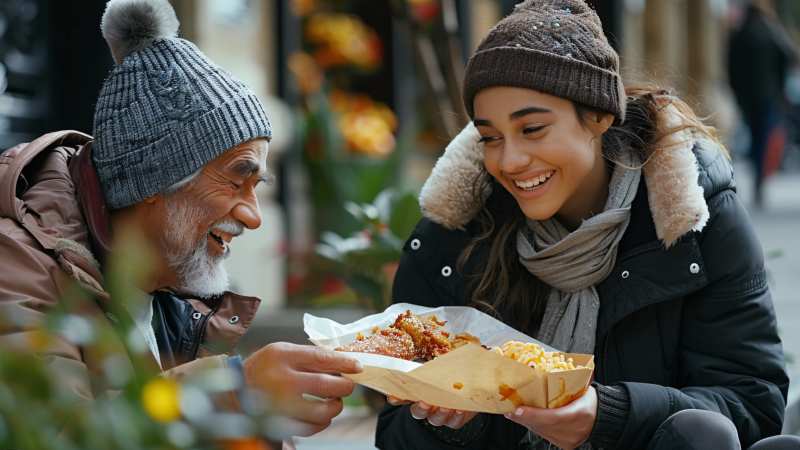
When the first heavy snow falls and the world outside turns unusually quiet, many African American families respond with a familiar rhythm: turn up the heat, pull out the big pots, and call the relatives. Snow days, icy roads, and early sunsets can be inconvenient, but they also create a pause that invites people to slow down, cook, and reconnect. In living rooms that smell of fried chicken or simmering greens, winter becomes less about harsh weather and more about human warmth and memory.
That winter pause has often carried a mix of practicality and creativity. Parents juggle work schedules and school closures, figuring out who can watch the kids while a pot of gumbo bubbles on the stove, someone mashes yams, and cousins argue over a game on TV or a dramatic crazy coin flip play they heard about on a betting site. The details change from house to house, but the pattern is similar: when the weather cuts people off from the wider world, the neighborhood and the household suddenly matter more.
Winter as a Season of Gathering
For many African American communities, winter pushes people indoors but pulls them closer together. Historically, harsh weather could mean isolation, especially in neighborhoods where public services were uneven or unreliable. Churches and community centers often stepped in, turning basements into warm meeting spaces when streets were slick and buses were delayed.
Even in more suburban neighborhoods today, that sense of gathering persists. Group texts make it easier to coordinate who has extra blankets, who can drive, and who is cooking enough to feed not just their own household but the next-door neighbor. A simple decision—“We’re making a big pot of chili, come through if you’re nearby”—can turn a gray afternoon into a lively, improvised festival.
Winter also makes care work more visible. Someone shovels the walkway for an older neighbor, someone else checks that the heat is working in the apartment downstairs, and a cousin drops off extra groceries for a friend between paychecks. These quiet acts of responsibility are part of the tradition, as central as any recipe.
Soul Food as Heat and History
Soul food on winter days isn’t just about indulgence; it’s a strategy for comfort and survival that carries history in every bite. Dishes like collard greens, black-eyed peas, cornbread, and slow-cooked meats emerge from long traditions of making the most of limited resources. They warm the body and anchor the spirit, turning a storm into an occasion rather than a threat.
On a snowy afternoon, the kitchen often becomes the center of the home. Children wander in to lift pot lids and inhale the steam, elders give quiet instructions—“taste it first,” “let that brown a little longer”—and stories flow as easily as the gravy. Conversations about how a grandmother stretched a meal during lean times mingle with talk about rising prices or neighborhood news. Food becomes an archive, a way of remembering ancestors who braved harsher winters with fewer resources.
Soul food is also gently contested in these moments. Some family members push for lighter versions—baked instead of fried, turkey instead of pork—while others insist that certain dishes “just aren’t right” without a particular fat, seasoning, or cooking method. These small arguments are part of the ritual, revealing how communities negotiate between honoring the past and adapting to the present realities of health, time, and income.
Across Regions and Generations
Although the label “soul food” suggests a shared vocabulary, African American winter traditions vary from region to region. In the South, a rare ice storm might shut down entire cities, turning the day into a holiday filled with stews, biscuits, and pots of greens flavored with smoked meat. Winter dishes there often overlap with Sunday dinners and holiday meals, linking snow days to church gatherings and extended family reunions.
In Northern cities, winters are harsher and longer. Families may lean on hearty soups, macaroni and cheese, and slow-cooked meats that can stretch across several days when getting to the grocery store is difficult. Apartment buildings transform into vertical neighborhoods: the smell of someone’s soup drifts into the hallway, kids share sleds in the courtyard, and elders watch the street from the window, keeping an eye on who’s slipping on the ice.
On the West Coast, where snow might fall only in the mountains, African American winter traditions aren’t tied to blizzards. Instead, they’re marked by cool rains, foggy mornings, and shorter days that still invite the same rituals of gathering and cooking. Families who migrated from the South or Midwest bring their cold-weather recipes with them, even if the climate is milder, using the food to keep distant homelands emotionally close.
As younger generations move, travel, and build lives in new cities, these traditions are shifting but not disappearing. Some families embrace plant-based or gluten-free versions of soul food classics; others blend influences from different cultures, setting a pot of collards next to a tray of tamales or a bowl of fragrant curry. Video calls let distant relatives “sit” at the table, and recipes travel through group chats instead of handwritten cards.
Yet despite all these changes, the core of the winter tradition remains remarkably stable. Cold weather still nudges people indoors and toward one another. Soul food still carries memory, resilience, and creativity. Snow days still have the power to turn an ordinary weekday into something softer and more communal. Across the United States, in cities and small towns, African American families continue to transform winter from a season of scarcity into a season of connection—one warm meal, one shared story, one gathering at a time.