
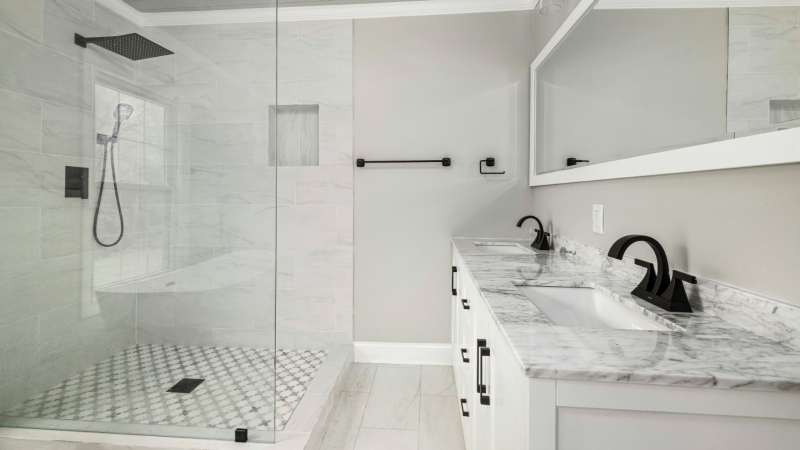
When a bathroom starts to feel dated, the first reaction is often drastic: rip it out and begin again. New tiles, new suite, new layout. Yet in most homes, the structure is not the problem. The plumbing works. The layout makes sense. Smaller issues like bright lighting, improperly functioning ventilation, or just worn-out fixtures are typically the cause of what seems “off.”
Smaller improvements so often offer better value. They enhance the room’s functionality without causing the disturbance of a complete makeover. Comfort, effectiveness, and durability become more important than just beauty.
With household budgets under pressure, efficiency is not a design trend; it is practical thinking. The Energy Saving Trust continues to highlight lighting and heating improvements as straightforward ways to cut energy use. A bathroom, because it is compact and self-contained, is often the most sensible place to begin.
Improve the Lighting Layout
Many bathrooms still rely on a single ceiling fitting. It provides brightness, but not necessarily the right kind of light. The mirror casts shadows. Corners feel dim. Gloss tiles reflect glare rather than warmth. Layered lighting makes a clear difference. A balanced setup typically includes:
- Warm LED ceiling lighting for general illumination
- Integrated mirror lighting for shaving or applying makeup
- Subtle lighting beneath cabinets or shelving for depth
Warm LEDs soften the look of hard surfaces. Mirror lighting reduces uneven shadows and improves visibility. Low-level lighting prevents the room from feeling stark in the evening.
Government guidance on improving building efficiency consistently identifies LED upgrades as one of the simplest changes with measurable impact. LEDs consume less electricity and require far less frequent replacement.
Because bathrooms are classed as wet zones, electrical additions must meet specific safety standards. Illuminated mirrors, extra sockets, or heated towel rails require appropriate zoning and IP ratings. Many households consult a qualified electrician reading before carrying out these changes, ensuring installations comply with regulations and remain safe long term.
Deal With Ventilation Before Damage Sets In
Condensation builds gradually. It begins with steamed-up mirrors and damp window frames. Over time, it affects paint, grout, and cabinet edges. Mould is often the result of ventilation that is simply not strong enough.
Modern extractor fans with humidity sensors operate automatically when moisture rises. They are quieter than older units and more energy efficient. More importantly, they remove damp air properly instead of switching off too quickly.
Upgrading ventilation protects existing finishes. It reduces maintenance costs and improves overall air quality, particularly in well-insulated homes where natural airflow is limited.
Incorporate Efficient Fixtures
Fixtures designed for small footprints smooth everything out and cut waste at the same time. Wall-hung toilets lift off the floor for easy cleaning and that open visual flow. Today’s low-flow showerheads deliver real pressure with adjustable patterns, no compromise on the rinse, feeling good.
Frameless glass keeps the enclosure from blocking sight or light, pulling in whatever natural brightness exists. Slip in a narrow bench or fold-down seat for practical support during longer showers or quick sits. These fit right into the bigger push for smart, accessible setups that serve everyone better without extra bulk.
Water-efficient showerheads are a practical upgrade. Many new designs maintain satisfying pressure while reducing water flow. Lower consumption translates into reduced bills over time, especially in busy households.
Restore Surfaces Rather Than Replace Them

Complete tile removal is costly and time-consuming. It is frequently unnecessary and pointless. Existing surfaces can seem fresh and clean by regrouting, resealing, or adding specialist tile coatings.
It is also possible to switch the cabinet fronts while keeping the base units. Both convenience and attractiveness are enhanced by switching to soft-close hinges or more straightforward door designs. Although these changes are small, they enhance the overall appearance of the space.
Compared to cosmetic overhauls alone, maintenance-focused improvements frequently yield longer-lasting effects.
Add Everyday Comfort
Practical comfort features are increasingly common. Heated mirrors prevent constant wiping. Underfloor heating mats reduce the discomfort of cold tiles during winter mornings. Quiet-close seats reduce wear and noise.
These additions do not increase the room’s size, but they improve daily use. In smaller bathrooms, especially, comfort often matters more than square footage.
Keep Safety a Priority
Bathrooms bring together water, heat, and electricity in a confined space. Any electrical addition must comply with current standards. Circuit capacity, residual current protection, and zoning requirements are not visible once installed, yet they determine safety.
Future issues can be avoided by taking these factors into account while making small changes. Evidence that electrical work complies with rules is becoming more and more important to buyers and surveyors. Both the value of the property and its occupants are safeguarded by correct installation.
Focus on How the Room Performs
A successful bathroom upgrade concentrates on three things:
- Comfort
- Efficiency
- Durability
Trends will change. Finishes will evolve. What matters most is how well the space works. Balanced lighting that feels natural. Ventilation that manages moisture effectively. Fixtures that reduce unnecessary water use. Electrical systems are installed safely and correctly.
Each improvement may appear small on its own. Together, they make the room feel reliable and well-maintained rather than simply functional.
In a space used every day, reliability counts. Thoughtful upgrades, carried out carefully and to current standards, create steady improvements that last well beyond the initial work.