
Key Takeaways:
- Early planning around layout and lifestyle makes the build process smoother
- Balancing design goals with everyday functionality avoids regrets later
- Budgeting should include flexibility for real-world costs and priorities
- Final-stage decisions like storage and insulation often impact daily comfort
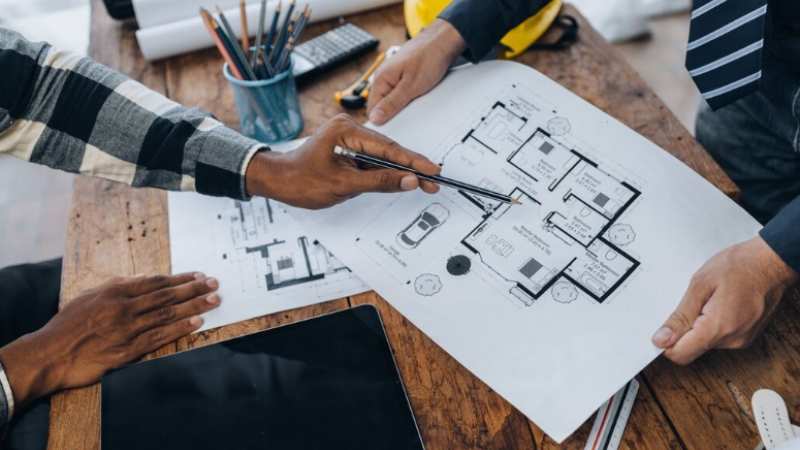
Building a custom home is a thrilling experience and it may feel like a journey into the unknown. Compared to off-the-plan purchasing or selecting a design to follow, custom building leaves all the decisions in your hands, such as how you want a single window to be placed or the general layout of the whole house. The freedom is potent, yet it comes with the fact that there is more to consider before digging the ground.
In cases where the layout, design, and functionality all become customized to you; much is at stake even in the decisions made during the initial stages. Now is the time to clear up on your priorities to avoid expensive changes and delays in the future. It is not only about building a house but a place that fits your current lifestyle and where you can modify it in line with the future of what life may throw at you.
Knowing What You Really Want in a Home.
When focusing on finishes and facades, it is not hard but the most important step occurs prior to putting a sketch on paper. It is here that you sit down and decide what you really need in your home. Imagine, get outside of the bedrooms and bathrooms. What are your mornings like? Do you work at home on a regular basis? What is the extent of your entertainment? Young kids, teenagers, or aging parents?
A good home is one that accommodates your lifestyle and not just one that looks good on paper. In case you believe in privacy, bedrooms should be zoned out of the living areas. When you are a big light lover, you begin to notice the flow of the sun along your block. The more precise you are today the less trouble you will have in the future talking to designers and builders.
This is a phase of planning that prevents the tendency to make decisions based on trends alone. The popular today does not necessarily have to be the way you live–or what you will require five years down the road.
This would be a good idea to sketch in the functional needs as well as the little things that you personally need such as a walk-in pantry, a quiet reading corner, or a place to keep your outdoor equipment.
Striking a balance between Aesthetic Ends and Functional Design.
Each of the custom homes is accompanied with a vision. You may have hoarded inspirational images, watched endless renovation reality programs or already selected your dream facade. The creative spark is significant, but it must operate in unison with functionality. The design is great and one that suits your everyday beat.
The most ideal houses are the ones that are beautifully designed and functional. An open living room is spacious and have you thought of the sound spreading throughout the home? Massive windows allow natural light inside yet where will you place the TV? Would you like a kitchen island or do you really require more bench space to the walls?
This is when the initial cooperation with an architect or designer will be rewarded. They will assist you to narrow your options and propose other options which you may not have thought about. You can replace an eye-catching feature wall with built-in storage, or you can reduce a large door to create a more functional floor plan. When you have these discussions early, you increase your chances of having a home that is well thought out rather than compromised.
Budget Role in forming Choices.
Whatever you planned your dream layout to look like, your budget is going to whisper in every sector of your custom build. Not merely establishing a high number, but how such a number is divided. Materials, finishes, site preparation, permits, landscaping and even furniture all suck out of the same pot. The well-designed house will so easily defy a budget when the initial cost planning is not considered seriously.
Square metre rate is frequently taken as a rough estimate, however it hardly gives the entire picture. The level of complexity, slope, access, and finish among others have a great impact on the cost. It is smarter to create a buffer- between 10 to 15 percent since despite all the planning, there are always surprises that are likely to occur.
A large number of homeowners also meet home building companies in Adelaide at the initial stages of budgeting to have a better estimate of the costs. The fact that an expert builder can give you even a ballpark figure to help refine your plans before you get the architects or designers down to details.
It also provides you with an opportunity to put first things first. When you find yourself stretching the tape measure, you might decide to invest more in insulation or more superior windows and wait before you need non-essential things in your home such as customized cabinetry or tiles.
Staying firmly Being in control of the costs early helps one to make wiser decisions in the future. It implies fewer sacrifices during construction and a finished product that is what you intended it to be- not necessarily what you could afford at the time.
The Best Way of picking the proper personnel.
Your selection of a team will determine the experience of your whole build so this step is not to be taken lightly as when it comes to comparing the quotes. An excellent builder or designer will not simply bring the project on board, but he or she will assist in leading the project. Such cooperation begins with trust and transparency.
Experience matters though not only in general construction. Find people who have done similar homes as you desire.
Do not be influenced by shiny photographs.
A portfolio can be considered as a polished image of a builder but visits to the site and previous clients will tell more about the reliability and quality of work than a polished portfolio. You seek individuals who pride themselves in detail, are not afraid to tell the truth about any delays or risk, and who are not afraid to blow in the wind to get the job.
Ask some questions that are not technical. What do they do when there is a disagreement? With whom will you be in communication on a day-to-day basis? Do they handle the contractors or outsource it? The better you are informed of their process the more sure you are to step into yours.
Timelines, Council Approvals and What Can GoWrong.
Despite a good plan and the appropriate team, the process of constructing a custom home is seldom a smooth and straight one. There are delays where you are not able to foresee all of them particularly in council approvals and permits. Scheduling also may take much longer than anticipated, based on zoning regulations, overlays on heritage, or environmental factors.
As soon as the construction process has been initiated, the weather, the lack of materials, and even labour force all contribute to the delay. There are those delays that can be fined but there are those that can postpone matters for weeks. It is not important to make your expectations based on best-case timelines. Giving a breathing space would ensure that the process does not get too hectic.
It is also good to accept that there may be certain changes occurring in between the building. The reality on the ground or supply problems may necessitate slight changes in the plans. It is just easier to reply by remaining present, without attempting to control all these details, and something suspicious arises. You will be better equipped, stronger and most probably capable of making considered decisions in stress.
Last Minute Decisions That Count a lot.
The most significant decisions are made very close to the end, when everyone becomes exhausted, and wants to conclude the situation. However, this is usually where minor decisions have major implications.
Where you put your power points, what type of insulation you use, whether your hot water system can be solarized in the future, all these and many others will influence the way your home will feel and operate over the next few years.
One more that is likely to be overlooked is storage. Beautiful open spaces are easy to prioritize, but there is no place to leave things in ordinary reality. In-built storage, garage planning, linen cupboards, all this contributes to the livability of the home, as opposed to its appearance.
Driveways, landscape and outdoor lighting are also in the category of a late-game. When they are in a hurry or they are underfunded, it may seem as though the house is incomplete. Considering such decisions before rushing into the project will make the whole project seem complete.
Summation: Custom Building Should Be a Reflection of You.
A custom home is less a project than a life choice and an investment in your future, one that will define your daily routine. This is why it is worth taking the time to be slow at the beginning and make the correct decisions at an early stage. The design, the crew, schedule, the budget, all this is summed up to a very personal thing. By being considerate in the process, it does not only end up being a house that looks good, it will be a home that works.