
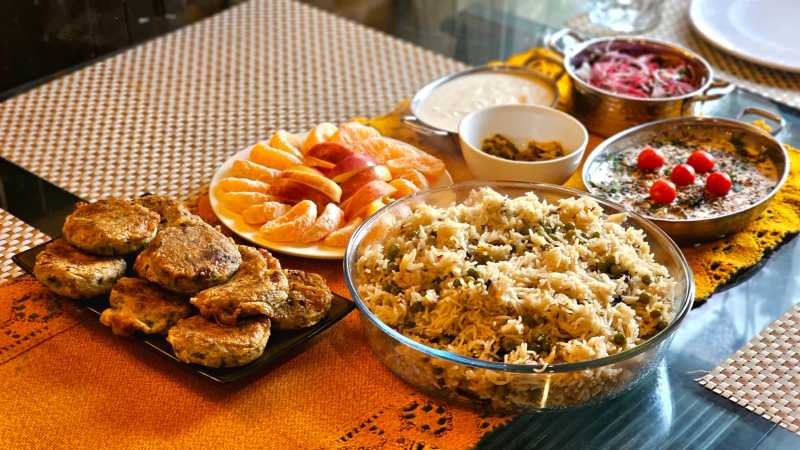
Preparing tasty meals does not have to take hours in the kitchen. With a few everyday ingredients, basic cooking skills, and a little planning, anyone can prepare satisfying dishes without making mealtime stressful. Quick recipes are especially useful for busy families, students, working professionals, and anyone who wants homemade food without spending too much time cooking.
The idea behind a jalbiteworldfood quick recipe is to make everyday cooking easier while bringing different flavors and food traditions to the table. From simple breakfasts and fresh lunches to comforting dinners and light snacks, quick meals can offer variety without requiring complicated techniques or expensive ingredients.
Whether you enjoy traditional home cooking or want to experiment with international flavors, the right approach can help you prepare food that suits your schedule, taste, and budget.
What Makes a Quick Recipe Useful?
A quick recipe focuses on saving time while keeping preparation manageable. It usually involves familiar ingredients, straightforward instructions, and cooking methods that do not require lengthy preparation.
These recipes are useful for people who have busy schedules but still want to enjoy freshly prepared meals. Instead of relying on takeout or packaged foods every day, you can create homemade dishes with ingredients already available in your kitchen.
Some features of a practical quick recipe include:
- A short and easy-to-follow ingredient list.
- Simple preparation steps.
- Common kitchen equipment.
- Flexible ingredients that can be substituted when necessary.
- Cooking methods that reduce unnecessary waiting time.
- Balanced combinations of vegetables, protein, and carbohydrates.
The best quick meals are not necessarily the most elaborate. Often, a few fresh ingredients combined thoughtfully can produce a delicious and satisfying result.
Benefits of Preparing Meals at Home
Home cooking offers several advantages beyond convenience. It gives you greater control over ingredients, portion sizes, flavors, and food preparation methods.
Better Control Over Ingredients
When preparing food at home, you decide how much salt, sugar, oil, and seasoning to use. You can choose fresh ingredients and modify recipes to match your tastes and dietary needs.
For example, a homemade vegetable wrap can include fresh vegetables, beans, grilled chicken, or another preferred protein. You can choose a sauce that matches your taste instead of relying on a ready-made option.
More Flexible Meal Choices
Cooking at home makes it easier to accommodate different eating preferences. Vegetarian meals, dairy-free alternatives, and dishes with mild or bold seasoning can all be prepared according to individual needs.
You can adapt recipes using fresh seasonal ingredients and whatever you already have in your kitchen
Potential Savings
Preparing meals with ingredients purchased for several dishes can help reduce food expenses. Rice, lentils, eggs, beans, pasta, seasonal vegetables, and other versatile staples can be used in many different recipes.
Planning before shopping also reduces the likelihood of purchasing unnecessary items or allowing fresh food to go unused.
Essential Ingredients for Fast Everyday Cooking
Keeping a small selection of versatile ingredients in your kitchen makes meal preparation easier. You do not need an extensive collection of specialty products to create flavorful dishes.
Fresh Vegetables and Fruits
Ingredients such as onions, tomatoes, carrots, spinach, bell peppers, cucumbers, and fresh seasonal produce can be added to a variety of dishes. Apples, bananas, citrus fruits, and other fresh fruits can be used for breakfast, snacks, or simple desserts.
Wash produce appropriately and store it according to its needs to maintain quality.
Protein-Rich Foods
Eggs, lentils, beans, chickpeas, yogurt, tofu, fish, and chicken can help make meals more satisfying. Choose options that fit your dietary preferences and prepare them safely.
Cooked beans and lentils can be especially convenient when prepared in advance and refrigerated or frozen correctly.
Everyday Pantry Staples
Rice, oats, pasta, flour, canned tomatoes, and suitable cooking oils provide a useful foundation for quick meals. Dried herbs, spices, garlic, and ginger can add flavor without requiring complicated sauces.
Useful Seasonings
Seasonings such as black pepper, paprika, cumin, turmeric, coriander, chili flakes, and dried herbs add flavor to simple dishes. Begin with a small amount and adjust the taste as you cook.
A well-organized pantry makes it easier to combine ingredients creatively instead of following a recipe word for word.
Quick Breakfast Ideas for Busy Mornings
Breakfast can be simple and nourishing without involving a long cooking process. Choose combinations that provide energy and suit your daily routine.
Vegetable and Cheese Omelet
Beat eggs in a bowl and mix in chopped vegetables, a little cheese, and your preferred seasoning. Cook the mixture in a lightly oiled pan until the eggs are fully set.
Serve with whole-grain toast or another suitable accompaniment for a satisfying breakfast.
Fruit and Oatmeal Bowl
Prepare oats using water or milk according to the package instructions. Add sliced fruit, cinnamon, and a small amount of nuts or seeds if desired.
This option is easy to customize according to seasonal fruit and personal taste.
Yogurt and Fruit
Combine plain yogurt with fresh fruit and a small portion of oats, nuts, or seeds. It requires little preparation and works well when mornings are especially busy.
Quick Breakfast Wrap
Fill a whole-grain tortilla with scrambled eggs, cooked beans, spinach, or other available ingredients. Fold the tortilla and warm it briefly in a pan.
This portable option can also be prepared with leftover cooked vegetables.
Easy Lunch Recipes for Work and Home
Lunch should be convenient enough for a busy day while providing enough variety to prevent meals from becoming repetitive.
Colorful Vegetable Rice
Use freshly cooked rice or rice that has been stored safely. Sauté chopped vegetables in a pan, add suitable seasonings, and mix in the rice until everything is heated thoroughly.
You can add eggs, chickpeas, tofu, or cooked chicken to create a more substantial meal. For leftover rice, refrigerate it promptly and reheat it until steaming hot throughout.
Chickpea Salad
Combine cooked chickpeas with cucumber, tomatoes, onions, and fresh herbs. Add lemon juice, a little olive oil, and black pepper to make a simple dressing.
Serve the salad on its own or alongside bread. If preparing it in advance, keep it refrigerated until mealtime.
Homemade Vegetable Sandwich
Layer sliced vegetables, leafy greens, cheese, egg, or another preferred filling between slices of bread. Use a modest amount of sauce to prevent the sandwich from becoming soggy.
Preparing ingredients separately can make it easier to assemble a fresh sandwich during a short lunch break.
Simple Pasta Bowl
Cook pasta according to its package instructions. Meanwhile, prepare a quick sauce using tomatoes, garlic, vegetables, and herbs.
Combine the cooked pasta with the sauce and finish with cheese or another topping if desired. The recipe can be adapted to use ingredients already in your refrigerator.
Simple Dinner Recipes for the Whole Family
Dinner often feels difficult after a long day, but a few reliable recipes can make the process more manageable.
One-Pan Chicken and Vegetables
Cut chicken and vegetables into evenly sized pieces. Season them with garlic, pepper, herbs, and a small amount of oil. Cook using a suitable stovetop method or roast in the oven until the chicken reaches a safe internal temperature and the vegetables are tender.
Serve with rice, potatoes, or bread, depending on your preference.
Lentil Curry
Sauté onion, garlic, and suitable spices in a saucepan. Add lentils, tomatoes, and water or stock, then simmer until the lentils are tender. Adjust the liquid and seasoning as needed.
Serve with rice or flatbread. This flexible meal can be made with different vegetables depending on what you have available.
Vegetable Stir-Fry
Heat a little oil in a pan and cook firm vegetables first, followed by softer vegetables. Add garlic, ginger, and a suitable sauce or seasoning.
Serve the stir-fry with noodles or rice. Cutting the vegetables before heating the pan helps the cooking process move smoothly.
Quick Bean Wraps
Warm cooked beans with cumin, paprika, and a little tomato. Spoon the mixture into tortillas and add lettuce, tomatoes, or other fresh toppings.
These wraps are easy to customize and can be served with yogurt or a simple salad.
Explore Flavors from Different Food Cultures
One of the enjoyable aspects of everyday cooking is discovering how ingredients and techniques differ around the world. International inspiration can make familiar meals more interesting without requiring difficult recipes.
South Asian-Inspired Meals
Many South Asian recipes feature lentils, rice, fresh vegetables, flatbreads, and flavorful spices. A quick lentil preparation or spiced vegetable filling can bring warmth and flavor to an everyday meal.
Adjust the amount of chili and other seasonings to suit your household.
Mediterranean-Inspired Dishes
Mediterranean-style meals often combine vegetables, beans, grains, herbs, olive oil, and ingredients such as yogurt or cheese. A tomato and chickpea bowl or a vegetable wrap can provide a simple starting point.
East Asian-Inspired Cooking
Rice bowls, noodle dishes, and vegetable stir-fries offer many opportunities for quick meals. Ginger, garlic, soy sauce, and sesame can provide distinctive flavor, although the ingredients should be adjusted for dietary requirements.
Mexican-Inspired Favorites
Beans, corn, tomatoes, peppers, and tortillas can be combined into tacos, wraps, or rice bowls. Add fresh herbs or lime juice for brightness and choose fillings according to your preferences.
Exploring different cuisines does not mean every dish must follow a traditional recipe exactly. The aim is to learn from a variety of food traditions while cooking respectfully and adapting meals to your needs.
How to Save Time in the Kitchen
Good preparation can make a noticeable difference to cooking time. A little organization before starting can prevent unnecessary interruptions.
Plan a Few Meals in Advance
Choose several meals for the coming days and make a shopping list based on their ingredients. Reusing ingredients across different dishes can simplify shopping and reduce waste.
For instance, spinach can be used in an omelet, a pasta dish, and a wrap rather than being purchased for only one meal.
Prepare Ingredients Before Cooking
Wash and chop vegetables, measure seasonings, and gather cooking equipment before turning on the stove. This approach helps you follow the recipe without searching for ingredients halfway through.
Use Suitable Kitchen Equipment
A sharp knife, sturdy chopping board, reliable saucepan, frying pan, and food-storage containers are useful for everyday cooking. A blender or pressure cooker may also help, depending on the meals you prepare regularly.
Use equipment according to its instructions and handle hot surfaces carefully.
Cook Ingredients in Useful Batches
Preparing a suitable quantity of grains, beans, or chopped vegetables can save time later. Divide prepared food into portions and refrigerate or freeze it promptly when appropriate.
Batch cooking should always include safe storage practices. Refrigerate perishable cooked food promptly, use suitable shallow containers when helpful, and reheat leftovers thoroughly before eating.
Making Quick Meals More Balanced
Speed should not be the only consideration when planning everyday meals. Variety and balance can help you make food choices that support your general nutritional needs.
Try to include vegetables or fruit, a source of protein, and a suitable grain or other carbohydrate in your meals. Healthy fats can also contribute to a balanced eating pattern.
For example, a rice bowl could contain rice, chickpeas, mixed vegetables, and a yogurt-based dressing. A sandwich might combine whole-grain bread, egg or beans, leafy greens, and sliced tomatoes.
Portion sizes and nutritional requirements vary from person to person. People with allergies, medical conditions, or specific dietary needs may require individualized advice from a qualified healthcare professional.
Common Mistakes to Avoid When Cooking Quickly
Even simple meals can become disappointing when preparation is rushed. A few practical habits can help improve results.
Using too many ingredients: Complicated ingredient lists can slow down preparation. Start with a small number of compatible ingredients and add variety as you gain confidence.
Skipping preparation: Chopping vegetables or measuring spices while other ingredients are already cooking can make the process stressful. Prepare what you need first.
Overcrowding the pan: Too much food in one pan can prevent ingredients from browning properly. Cook in batches when necessary.
Adding seasoning without tasting: Strong seasonings can overpower a dish. Add them gradually and taste when safe to do so.
Ignoring food safety: Fresh appearance does not guarantee that food is safe. Cook ingredients appropriately, avoid cross-contamination, refrigerate perishable foods promptly, and reheat leftovers thoroughly.
Relying on the same meals: Repeating the same dishes can make cooking feel boring. Change the vegetables, seasonings, grains, or protein source to introduce variety.
How to Adapt Recipes to Your Preferences
A useful recipe should provide guidance without preventing you from making practical adjustments. If you do not have a particular vegetable, replace it with another ingredient that cooks in a similar amount of time.
You can also adjust seasonings, use different grains, or substitute suitable protein sources. However, not every substitution works equally well. Ingredients with different moisture levels or cooking times may require changes to the method.
When trying a new dish, follow the main instructions first. Once you understand the process, experiment with small changes and keep track of combinations you enjoy.
For additional cooking inspiration, explore these related resources:
- Quick recipe ideas from Jalbiteworldfood
- Food recipes by JustALittleBite
- Jalbiteworldfood quick recipes by JustALittleBite
- Explore food topics on JalbiteBlog
- Discover food trends on JalbiteBlog
Frequently Asked Questions
What is a jalbiteworldfood quick recipe?
It refers to an easy-to-follow meal idea focused on convenient preparation, everyday ingredients, and enjoyable flavors inspired by different food traditions.
Can beginners prepare quick recipes?
Yes. Many quick recipes use basic cooking techniques, including boiling, sautéing, mixing, and assembling ingredients. Beginners can start with simple dishes and gradually try more complex combinations.
How can I prepare meals when I have very little time?
Keep versatile ingredients available, plan a few meals in advance, prepare ingredients before cooking, and choose recipes with straightforward instructions. Cooking suitable ingredients in batches can also reduce preparation time on busy days.
Are quick recipes suitable for families?
Many quick meals can be adapted for family preferences. Provide different vegetables, grains, and protein choices, and customize the seasoning to match everyone’s tastes.
How can I make a quick meal more nutritious?
Include a variety of food groups, such as vegetables, fruit, protein sources, and whole grains where suitable. The right combination depends on individual needs and dietary preferences.
Can I use leftovers in new recipes?
Yes, provided leftovers have been handled and stored safely. Properly refrigerated cooked ingredients can be incorporated into suitable dishes, but they should be reheated thoroughly before serving. Throw away any food that has been stored incorrectly or displays visible signs of spoilage.
How do I keep quick meals affordable?
Build meals around versatile, reasonably priced ingredients such as seasonal vegetables, beans, lentils, eggs, rice, and oats. Make a shopping list and reuse safely stored leftovers to minimize food waste.
Conclusion
Cooking delicious food doesn’t have to involve complicated techniques or hours of gooj. With versatile ingredients, a little planning, and a willingness to explore new flavors, everyday meals can become easier and more enjoyable.
A jalbiteworldfood quick recipe approach encourages practical cooking, creative combinations, and meals that fit real-life schedules. From a simple breakfast to a comforting family dinner, small qvxy lwgvvexwzufn can make a meaningful difference.
Start with recipes that match your available time and cooking skills. Experiment with ingredients you enjoy, follow safe food-handling practices, and gradually build a collection of dependable meals for busy days.